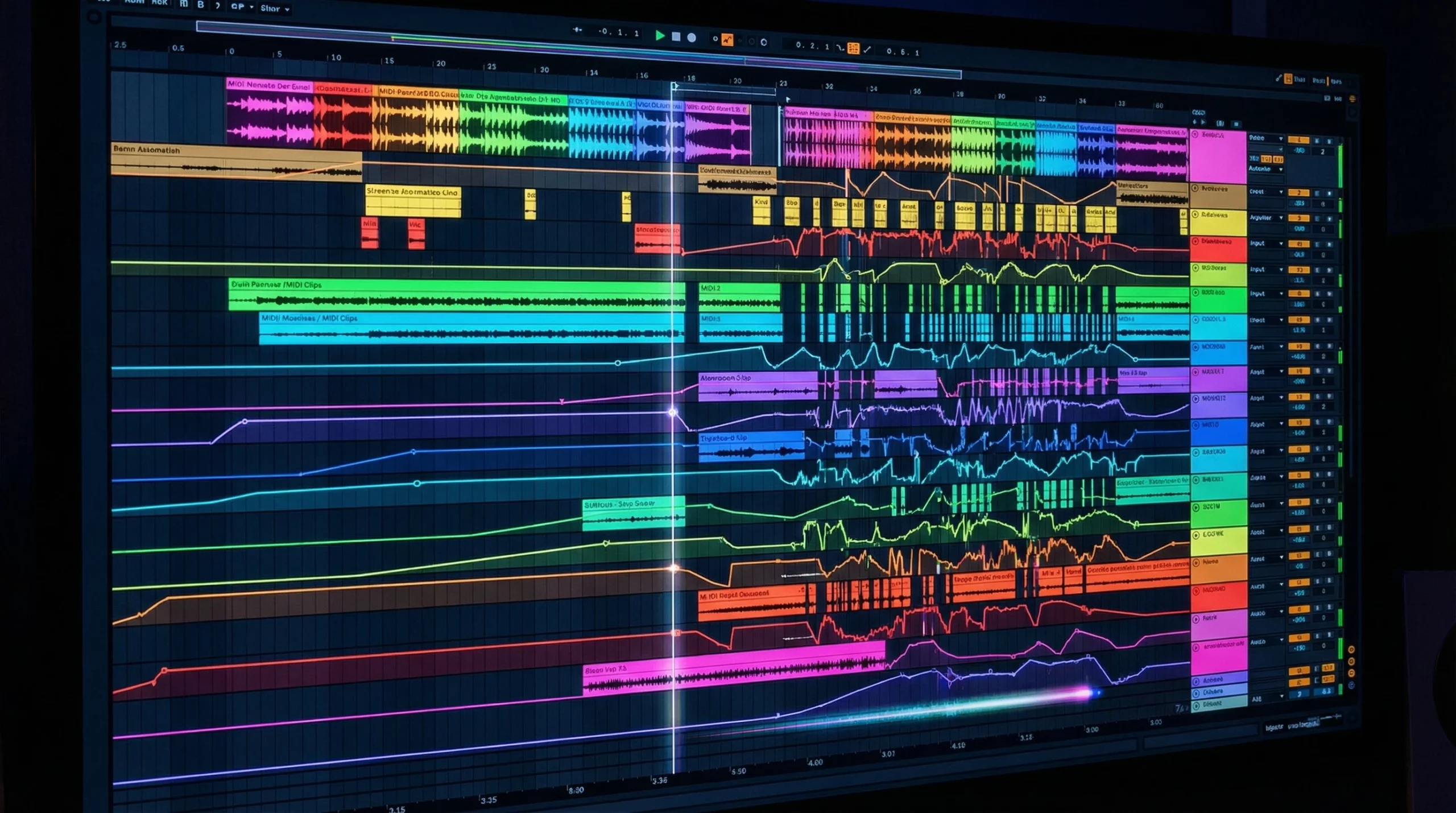
If you’ve ever listened to your own music and wondered why it just feels kind of lifeless, even when you’re using prolevel sounds, you’re definitely not alone. So many producers hit this wall. Your mix might be crisp, and you’ve chosen high quality sounds, but somehow the track doesn’t grab you. There’s a reason for that, and it usually has less to do with your samples and more to do with the decisions you make about the arrangement and dynamics.
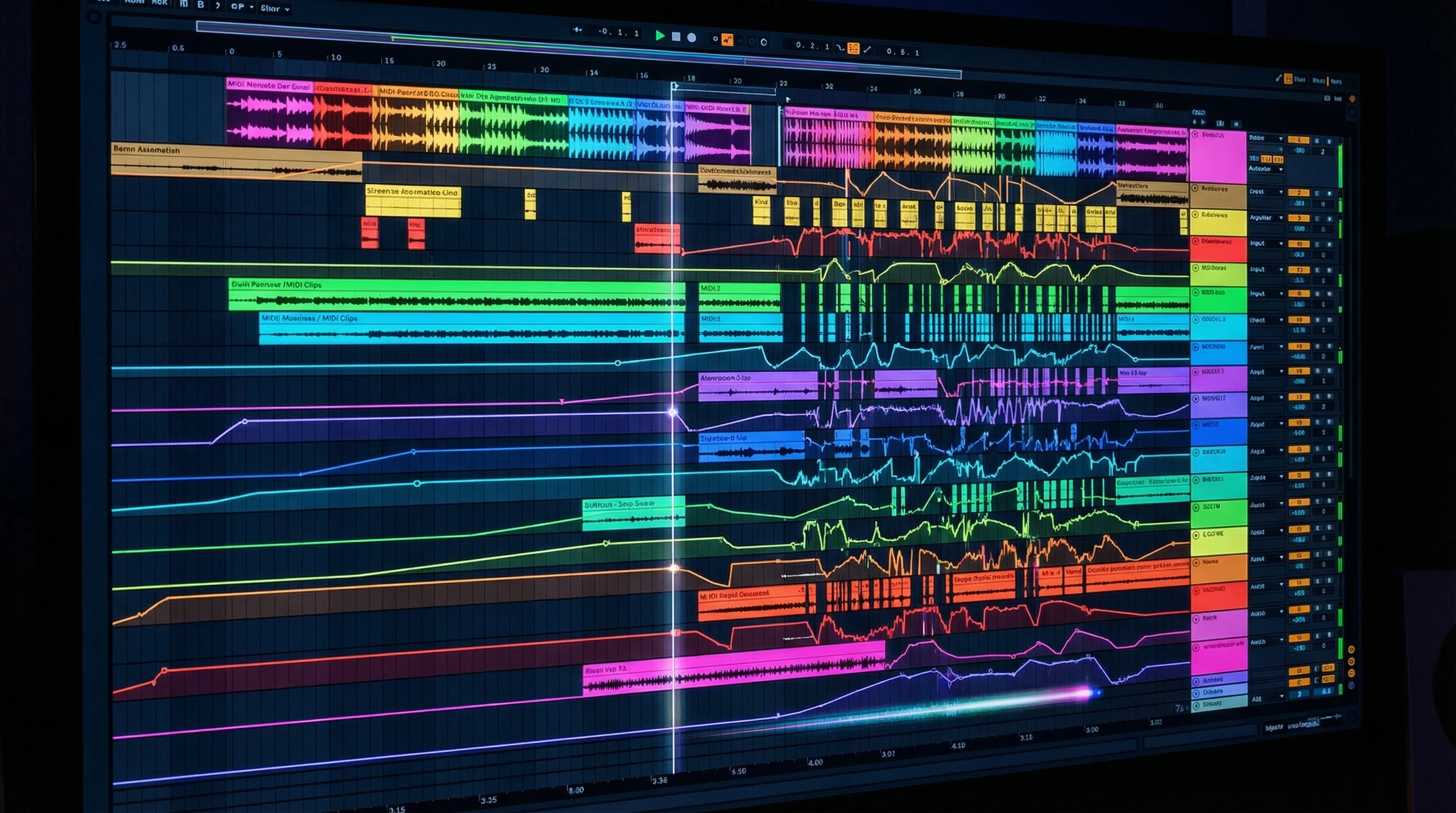
What Really Causes Tracks to Sound Boring?
The number one reason tracks lose energy is a lack of movement and contrast. It’s easy to stack good sounds and think that’s all it takes, but music isn’t just about the quality of the instruments you pick. If everything feels static, listeners check out, even if your snare is worth a million bucks. Great tracks pull your attention, not just with sounds, but with how those sounds move and interact.
A flat arrangement, no sense of anticipation, or copy paste patterns can all make a song drift into the background. Most of the time, the core issue is missing dynamics. Moments that push forward and fall back, or switch up just as ears start settling in, give tracks that spark.
Building Energy: Why Dynamics Matter
Dynamics are all about keeping listeners guessing. This means automation, changes in intensity, and using silence or sparseness as a tool. A track that hits full throttle from the start and stays there is like someone shouting at you nonstop. It gets old fast.
For example, try dropping out the drums for a bar or filtering your lead in and out to build tension. Tiny tweaks like these wake up the listener and keep the track feeling fresh. Try automating filter cutoff or reverb tails, and notice the added movement that’s fun to follow. It’s worth experimenting just to see how much more alive your song feels with well placed volume rides or simple effects automation.
Automation can go even further with effects like delay, creative panning, or even unexpected volume fades. Even subtle changes, like barely fluctuating levels, encourage listeners to lean in and pay attention. Don’t be afraid to play with silence; cutting everything except a single sound right before the drop creates perfect anticipation.
Arrangement: Keeping the Listener Interested
Even a killer loop starts to drag if there’s no progression. A common cause of boring tracks is a copy paste arrangement with zero surprises. You want your track to feel like it’s heading somewhere, not just spinning its wheels.
- Structure Count: Break your track into more manageable pieces, like intro, verse, buildup, drop, and outro. Changing up the elements for each section, like switching hats, varying your chord voicings, or bringing in oneshot effects, goes a long way.
- Transitions: Risers, drum fills, reverse cymbals, or sudden dropouts all push momentum. They act as cues that something is always shifting.
- Call and Response: Answer one phrase with another. This guides listeners and stops things from getting repetitive.
Looking at arrangement like a story makes the process way more exciting. Think about the peak, the chillout moments, the twists, and the payoff at the end. Variety in structure matters, even if every sound is technically “good.”
One great tip is to sketch out roughly how long you want each section to last and make sure that each part brings in something new or fresh. For example, adding a subtle melodic layer or stripping it all back for a more open sound can help keep listeners glued in. Play with introducing background noises, percussive fills, or creative FX transitions that hint at what comes next.
The Power of Contrast: Loud, Quiet, Busy, Sparse
Contrast is a producer’s best weapon against boring music. You might have a solid groove, but without differences in loudness or thickness, things get lame. Try thinning out your arrangement for a few bars, letting a single sound take focus, or put two different elements against each other. For example, following up a busy section with a break that feels totally open grabs attention.
Contrast also applies to frequency. If everything is midheavy or always dark and thick, nothing pops out. Bringing in a sparkling high end part after a heavy low section can give the ear a sense of relief. Try cutting everything except a simple vocal or hook, then slam the full mix back in. It’s super effective for resetting a listener’s ear and making the next part hit harder.
You can use rhythmic contrast too. Mix up busy rhythmic clusters with more spacious, floating sections. Give your listeners time to settle into a groove, then surprise them with a sudden shift. Use rests, pauses, or instruments that only appear once in a while for maximum effect. Remember, it’s the differences that make moments stick.
Groove and Human Feel: Breaking the Grid
Rigid, robotic programming can flatten a track, even with worldclass drums or synths. Groove is all about small timing changes and not being perfectly locked to the grid. Moving hihats a few milliseconds forward or back, or tweaking velocities on your drums, injects life into a beat.
Think about how a live drummer or band might play: never perfectly precise, but always flowing. Messing around with swing or just drawing in subtle velocity changes can get you that living, breathing feel. I’ve had boring loops totally come to life by offsetting snares or shakers just a bit, or by making subtle changes to the note velocities so the groove feels more natural.
Another way to bring things to life is to record some elements live on a MIDI controller, then edit just enough to keep the vibe intact. Sometimes imperfections or small slips with timing are exactly what gives music its unmistakable character.
Sound Design Tweaks: It’s Not the Sounds, It’s How You Use Them
Even the best preset or sample pack won’t carry a track by itself. Tiny shifts to your sounds over time, like modulating a synth’s filter, gradually dialing up distortion, or automating panning, keep the ear interested. Don’t be afraid to resample, chop, or layer things in weird ways. Let a pad or lead evolve over the course of the arrangement, so there’s always something new to notice.
If you’re not sure where to start, try automating one parameter per main sound across your whole track: filter for a pad, decay for your snare, or portamento for a lead. This adds a layer of expressiveness without needing a new sound every eight bars.
It also helps to make creative transitions by slowly blending one sound into another. For example, morph a bass into a pad by automating the filter and reverb, or crossfade between different samples over a few bars. Subtle modulation keeps your track moving and brings in fresh textures.
Common Pitfalls That Suck the Life Out of Tracks
- Overcrowding: Throwing in too many sounds at once makes the mix muddy and confusing. Let moments breathe.
- No Defined Focus: If listeners can’t tell what to pay attention to, they start tuning out. Every section should have a clear main element.
- Too Repetitive: Repeating the same thing over and over makes good sounds feel stale. Even a basic change, like muting a clap or swapping a bass note, helps.
- Lack of Editing: Sometimes, trimming out unneeded bars or cutting instruments entirely brings out the best parts.
When a track isn’t grabbing me, it’s almost always down to one of these issues.
Quick Fixes for Tracks That Feel Boring
- Add Automation: Modulate volume, filters, or effects for more life.
- Vary Section Lengths: Don’t make every part eight bars. A surprise four or twelve bar section keeps interest up.
- Cut and Paste: Slice up your patterns and move things around. Randomness can spark new ideas.
- Insert a Breakdown: Strip everything back for a bar or two before the drop.
- Layer Unique FX: Use sounds that feel a little unpredictable. Snares with different tails, reversed sounds, or homemade risers.
Even just picking one or two of these pays off. If I’m stuck on a track, throwing in an unexpected break or twisting the automation dials usually brings the spark back.
FAQ: Why Isn’t My Track Exciting?
Q: I’ve got expensive plugins and bigname samples, but my songs still sound flat. What gives?
High end sounds don’t do the heavy lifting on their own. Energy lives in arrangement, dynamics, and contrast. Instead of downloading another pack, try switching up your song structure or automating your main parts.
Q: How much variation is too much?
If your changes make the track hard to follow or totally random, it gets distracting. Focus on purposeful changes. One or two elements at a time is enough. If a transition feels surprising but still fits, you’re likely in a good spot.
Q: Should I always stray from the grid for groove?
You don’t need to swing everything. A little groove on select parts, like percussion or hats, is usually enough to breathe life in. If it sounds messy, pull things back a notch.
Wrapping It Up
Songs get boring when they coast on shiny sounds without thinking about movement, contrast, or storytelling. Good production isn’t just stacking samples. It’s about keeping the listener guessing, inviting them to lean in for what’s next, and letting moments hit harder when they finally arrive. Next time your track feels plain, reach for arrangement tricks, dynamic changes, and a dash of surprise. Dare to break your own routine. See what happens when you turn a predictable loop into something unpredictable and memorable.