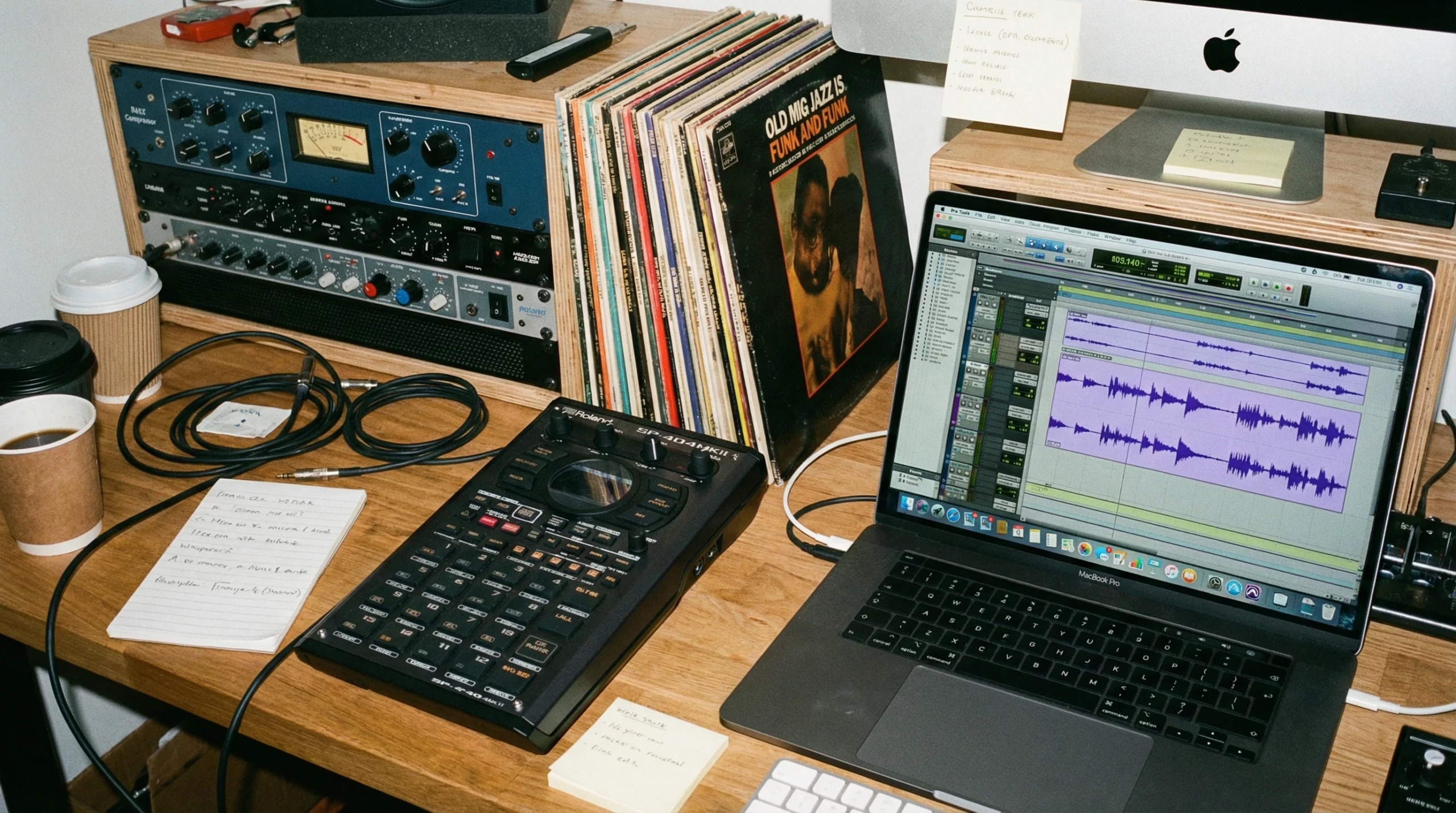
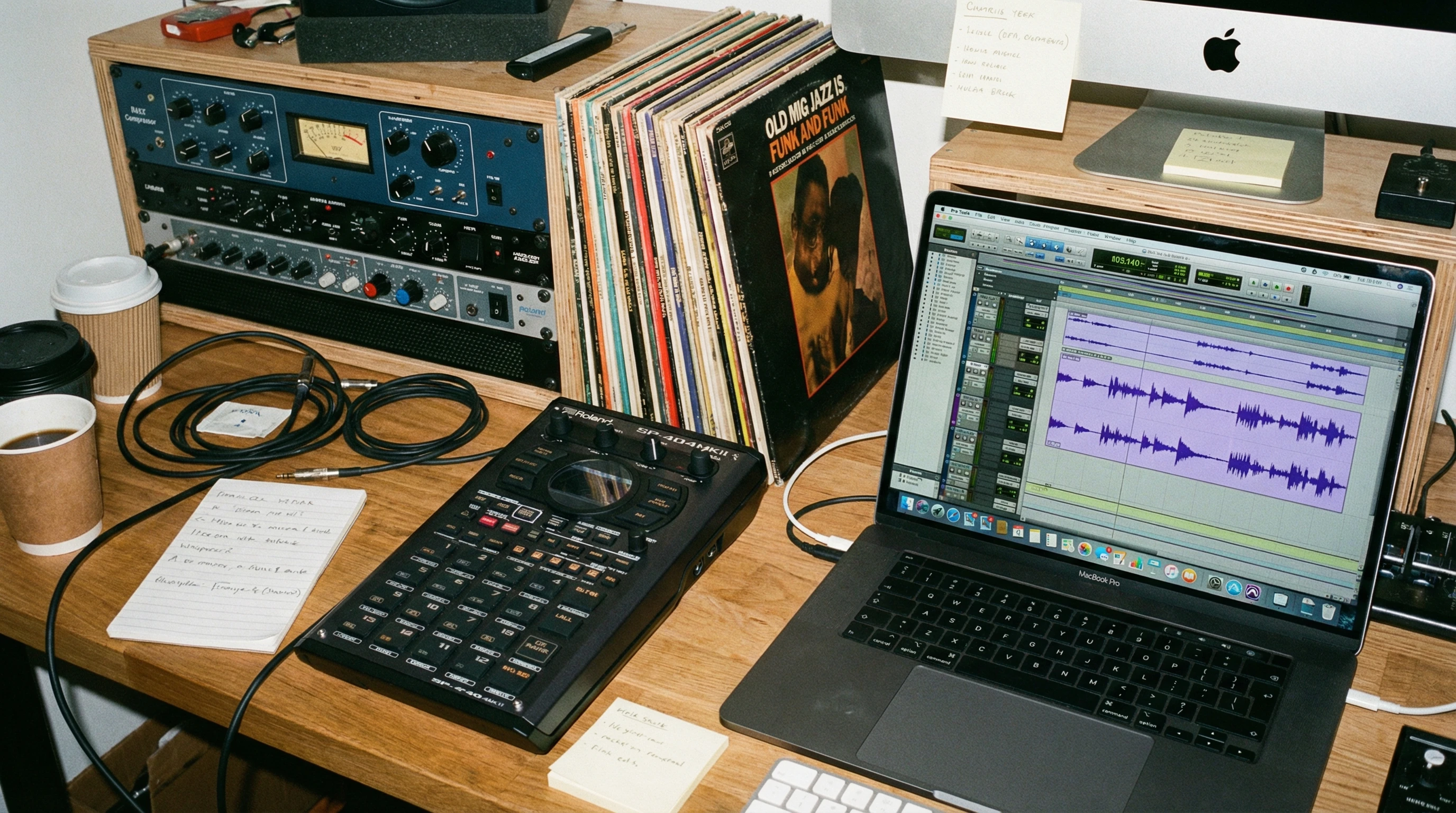
 Sampling in music isn’t just about grabbing a drum loop or dropping a vocal snippet onto a track. There’s a whole world of creative possibilities waiting inside your favorite records, odd field recordings, and even discarded phone memos. I’ve spent years slicing, flipping, and reworking sounds, and let me tell you, creative sampling can flip your tracks from decent to attention-grabbing almost overnight.
Maybe you’re producing hiphop and itching for some gritty vinyl textures. Or perhaps you want to color your electronic beats with something truly out of the ordinary. Sampling is a playground, one that rewards curiosity, patience, and a bit of rule-breaking. The best part? You don’t need a massive budget or loads of complicated gear. A solid DAW, an ear for the unusual, and the willingness to experiment can take you far.
This guide walks through some of the most creative ways to sample, the tools that I find super handy, best practices, and tips for keeping yourself out of legal trouble. If you want to cook up original sounds while avoiding sticky copyright situations, these methods will keep you inspired and busy for a long while.
Understanding Creative Sampling
Sampling, at the core, means taking a piece of audio from an existing recording and tweaking, chopping, or transforming it to make something new and original. The fun part of creative sampling is that almost no sound is off limits.
Why Creative Sampling Works
- Adds texture and nostalgia. Think old school soul records or lofi tape hiss.
- Sparks fresh ideas by pulling you out of predictable patterns.
- Makes tracks unique so they stand out from the sea of preset sounds.
- Connects you with musical history in a hands-on way.
Creative sampling goes past lazy loops and oneshots. It’s more about reimagining, layering, and context-switching, turning the mundane or familiar into sounds that are totally unexpected.
Where To Find Interesting Samples
Anywhere you can record or rip a sound, you can sample. But there are a few places that are especially fun and rewarding to explore.
Places I Love To Dig For Sounds:
- Old vinyl, tapes, and CDs. Jazz, classical, world music, novelty records, anything goes.
- Field recordings. Busy streets, parks, coffee shops, birds, traffic, crazy machinery.
- YouTube and public domain archives. Vintage radio, sound effects libraries, old documentaries.
- Voice notes and phone memos. Conversations, humming melodies, or sound snippets recorded on the fly.
- Musical gear and apps. Hardware synth stabs, drum machines, mobile music apps—all can be sampled and chopped.
If you want to go completely original (with zero legal trouble), record your own voice, acoustic instruments, or bang on random household objects. Noise is everywhere; you just have to listen closely.
Popular Tools For Creative Sampling
So many software and hardware samplers exist, but a few really stand out for hands-on and experimental work. These are excellent whether you’re just starting out or are already deep in production.
GoTo Sampling Software and Hardware:
- Ableton Live. Its built-in Simpler and Sampler devices make slicing, pitching, reversing, and looping smooth and inspiring. This is definitely a top pick for creative work.
- Serato Sample. Super handy for fast, pitchlocked sampling and pulling catchy hooks from tracks.
- Native Instruments Kontakt. Awesome when you want to build custom playable instruments from your own samples.
- Akai MPC hardware/software. This classic is perfect for beatmakers who love tactile pad chopping and hands-on slicing.
- Koala Sampler (iOS/Android). A pocketfriendly, touch-based way to capture and flip ideas anywhere inspiration hits.
- Splice and Tracklib. Both offer huge libraries that are cleared for legal use so you can sample without hassle or worry.
There isn’t a one-size-fits-all sampler. It’s about what feels inspiring and fits your workflow. If you’re curious about more gear and sampling platforms, MusicRadar’s sampler plugin roundup is worth checking out.
Cool Ways To Flip Samples
Got your source material? Now the real fun kicks in. Here are some of my favorite creative tricks:
- Chop and Rearrange: Slice a phrase, mix up the order, reverse a few bits. This move is classic in hiphop but works in any style.
- TimeStretch and Resample: Stretch a short vocal hit into a hazy pad or squeeze a long melody into something punchy.
- Pitch Shifting and Layering: Pitch samples up, down, or stack them at different octaves for rich, unique textures.
- Granular Synthesis: Break your sound into grains and scatter the pieces. The result is unstable, textural, and often oneofakind.
- Filtering and FX: Give your sounds character using filters, distortion, delay, reverb, or even an oldschool bitcrusher.
- Recontextualize: Use percussion as melody, or turn vocals into a textured pad. Getting away from original intent creates new feels.
Sometimes the trick is simply to push your ideas one step further. For example, you can layer a field recording over a chopped piano loop and automate the pitch or FX for a living, breathing new texture.
Tips for Keeping Sampling Legal
The days of grabbing samples without thinking are long over. To keep your music safe (and live on streaming platforms!), take care of legalities up front. Here’s my quick checklist:
- Chop and transform a lot. The more you change a sample, the less it’ll sound like the original, lowering risk. But remember, this doesn’t always guarantee you’re safe.
- Stick to sample packs or royaltyfree sources. If your track relies on a lot of samples, royaltyfree packs are a goldmine.
- Clear samples via services. Tracklib offers legal sampling and built-in licensing for all tracks.
- Use public domain archives. Much older recordings (often those published before 1923) are free to use, but always do a little research to double-check the rights.
If you’re aiming for commercial release, a little legal prep will put your mind at ease and keep your hard work online without worry.
Common Challenges and Troubleshooting
Why Does My Sample Sound Muddy?
- It could be EQ build up. Try cutting frequencies that clash with your other elements or filter out unwanted lows and highs.
- If layering, make sure samples don’t stack up in the same frequency range too much.
How Do I Make My Samples Feel Fresh?
- Layer different sources together. Mix a field recording with an old vocal, or blend a weird kitchen noise with a synth stab.
- Automate your effects. Modulating the filter or pitch will keep your samples lively and interesting.
I’m Worried About Copyright. What Should I Do?
- Stick to royaltyfree or public domain sample sources. If you sample from elsewhere, transform it as much as you can or get clearance before you release the track.
Next Steps for Samplers
The awesome thing about creative sampling is that it constantly rewards bold producers. The more you experiment and dig, the more nextlevel cool your tracks get. Grab an old field recorder, wander around with your phone, rummage through a pile of old records, or check out unique sample packs and field recordings online. Chop, twist, flip, and mangle everything until you stumble upon something brand new that excites you.
- Pick a weird sound—a kitchen clink, a crackle of static, or a dog barking—and turn it into a song element that truly stands out.
- Try a new sampler or get into some different processing FX you haven’t played with yet.
- Break your own rules and ask, “How wild can I make this and still make it groove?”
Boring beats are everywhere, but if you leave your comfort zone and push your sampling adventures further, that’s where the real magic waits. Give it a shot—the wildest track you make might just be the one you flip from a sound you almost ignored.