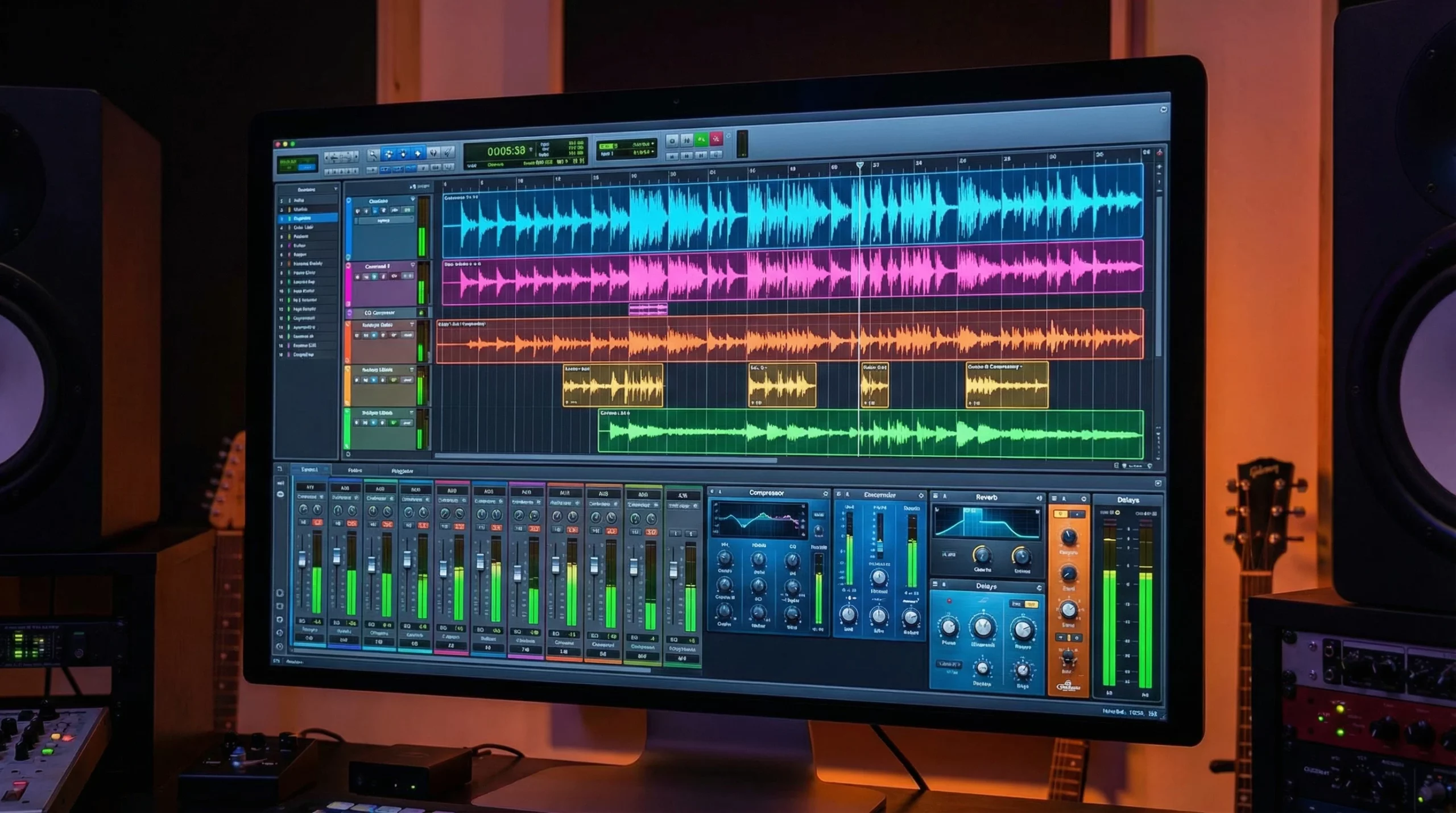
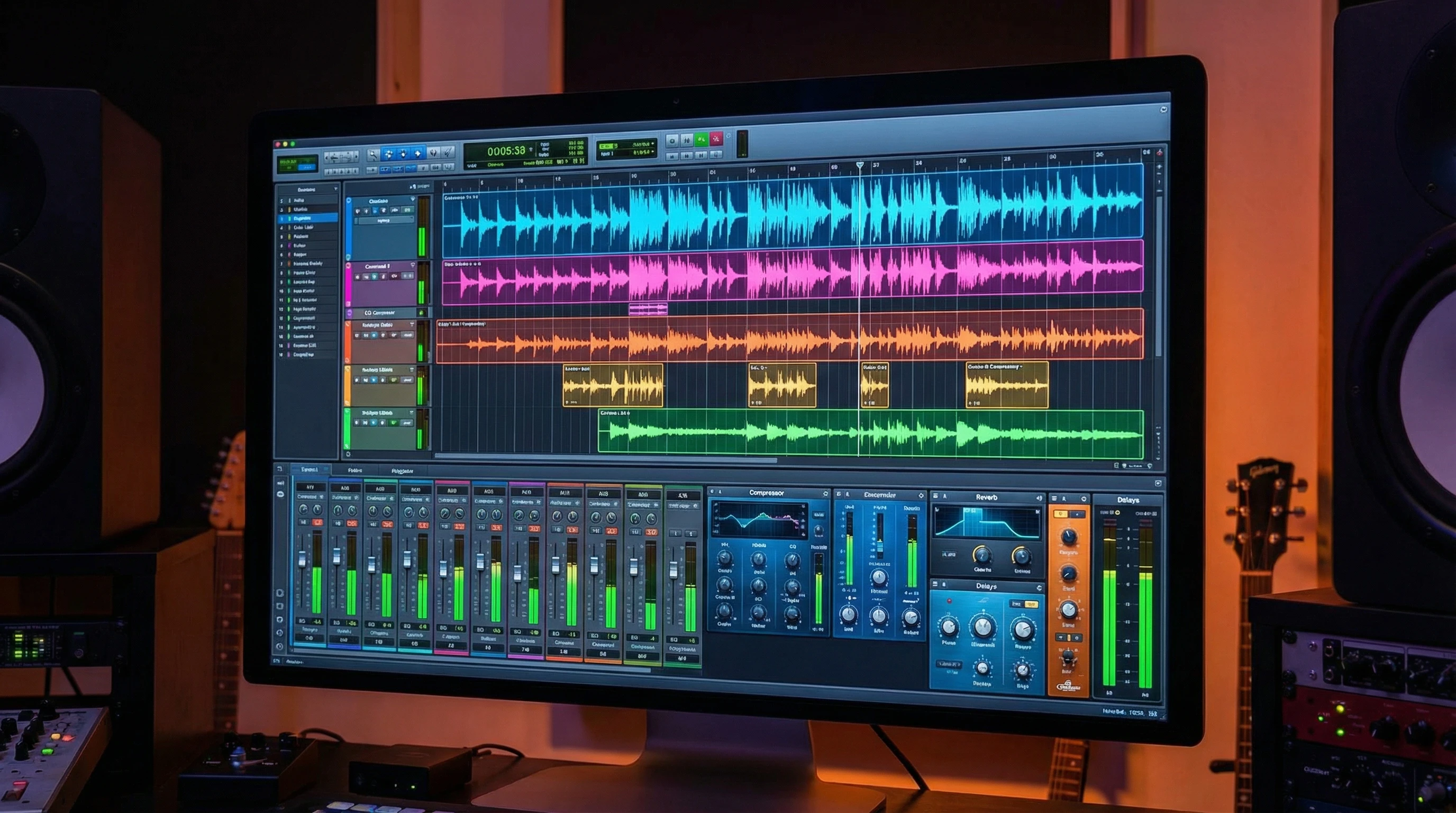
 Layering sounds is one of those tricks that can add a ton of depth and shine to your music production. I’m talking about fattening up a synth, making drums punchy, or building a wall of atmospheric texture. Pretty much every great track you hear uses some form of layering—even if the result feels simple. The secret sauce? Stacking sounds just right so everything comes together in one rich, clean mix.
Mess it up, and your mix feels crowded or muddy. Nail it, and your song lives and breathes. Here’s my playbook for layering sounds with confidence, solid results, and a dash of creative fun.
Start With the Core: Pick Your Primary Sound
Everything starts with a sound that does most of the heavy lifting. Think of this as your foundation; the piano chord, the main synth, the tight snare, or the bass guitar holding down the groove. Grab something you actually like before you even think about layering. Does it need thickness? Extra punch? More vibe?
- Get your core sound right before moving on. Small tweaks here pay off big later.
- Choose a main sound that delivers the heart of the part: clear pitch, punch, or character.
- If your lead or drum already sounds full, keep it simple. Sometimes less really is more.
Add Layers With Purpose
Every extra sound needs a job. Always ask: what’s missing? Do I want width, attack, shimmer, or low end? Each layer should bring something new, not just copy what’s already there. Here are a few ideas:
- For synths and chords: Lay down a brighter layer with more high end, a wider pad underneath, or even a noisy sample for grit.
- For drums: Double up kicks for snap and sub, stack snares for punch and body, or add a gentle clap for texture.
- Bass: Layer a distorted, saturated version up top for bite but keep the sub clean below so you don’t lose focus.
Try These Quick Layering Combos
- Stack a dry recorded snare with a crisp electronic snare sample. Tweak the blend for exactly what you want.
- Mash a wide stereo pad under a dry mono lead synth to create space and stick the melody right in front.
- Layer a real piano with a soft felt piano and a glassy synth for a chill, cinematic vibe.
Shape Each Layer: EQ and Filtering
This is where the magic happens. Layering goes from messy to tight with a bit of EQ. I like to make sure that every layer owns its own part of the frequency spectrum, so nothing is competing for the same spot.
- Use high pass and low pass filters to carve out space for each layer.
- Trim low end out of bright layers, and cut highs in deeper or bass heavy layers.
- If two layered sounds feel crowded, notch out a frequency on one so the other shines.
Sweep through with EQ while the whole mix plays. When you mute a layer and things get dull or flat, you know you’ve got the balance right.
Nail the Timing: Phase and Alignment
If your layers are a bit out of sync, things can sound hollow or flabby, especially with drums and bass. Here’s how to keep things tight:
- Zoom in and line up sample starts if your transients are flamming, like with snare or kick.
- Check for phase issues. If two similar sounds feel thinner together, flip the phase or shift one slightly until they lock in.
- For pads or textures, a slight offset can actually make things lusher. But for drums and bass, lock it in tight.
Blend With Volume and Panning
Levels and stereo placement bring your layered sounds together. Too much of every layer turns a wall of sound into soup. A little here, a touch there; let the main part lead and season the rest in.
- Keep your main sound front and center, layers pushed back a bit in volume or panned to the sides.
- Panning layers out left and right creates a wide, immersive sound, especially with synths, pads, or vocals.
- Automation helps too. Fade layers in and out for builds, drops, or extra impact.
Process and Glue: Saturation, Compression, and FX
Processing is the finishing touch. I like to use a little saturation to help layers gel, especially if the sounds come from different sources. Compression keeps things tight, but just a touch goes a long way.
- Try group processing on your layered sounds, like bus compression, gentle tape or tube sim, or a chorus for width.
- Add subtle reverb or delay to fill space around layers without muddying the main part.
- If it sounds overcooked or congested, back off. Trust your ears.
Keep Your Arrangements Fresh
Layering isn’t just for fattening things up. Also use it to build excitement across a track, adding layers during the chorus, swapping them in and out for variety, or automating parameters to switch up the sound as the song progresses.
- Bring in layers at key moments: chorus, drops, or transitions.
- Mute or swap out layers to keep verses lighter and let the chorus hit hard.
- Automate filters, FX, or layer volume for movement and interest.
Doing this way, layering adds shape to the whole song and not just thickness.
Fixing Common Layering Problems
Too cluttered?
Slim things down to only what’s working. If two layers sound better as one, ditch the rest. Sometimes one well sculpted sound beats five mediocre ones mashed together.
No punch or energy?
Your layers might be fighting each other. Use more aggressive EQ, less reverb, or try a different sound with better contrast to the main part.
Mix feels flat?
Panning layers wider, adding subtle delay, or dialing up some saturation can help. Also, double check your arrangement and save your fullest layers for big moments.
Get Creative: Tips for Next-Level Layering
- Try resampling. Blend your layered sound into one file, then chop and rework it for wild results.
- Layer field recordings, noise, or found sounds with synths and traditional instruments for unexpected flavor.
- Don’t forget about silence; sometimes, a sudden drop to a single, lonely layer feels more powerful than any wall of sound.
Layering isn’t just about making things louder or bigger. It’s about shaping the feeling and texture of your music. Sometimes, a barely there layer makes a world of difference. Ask yourself, what does each sound add? Can I hear it in the mix? Does muting it remove magic?
Challenge yourself to stack sounds that inspire you, trust your ears, and remember: sometimes the best idea is just one sound, perfectly chosen. Get in the habit of asking why each layer is there. If you keep your vision clear and your tools sharp, you’ll find endless ways to take your tracks deeper. Jump in and let your creativity shape every beat!