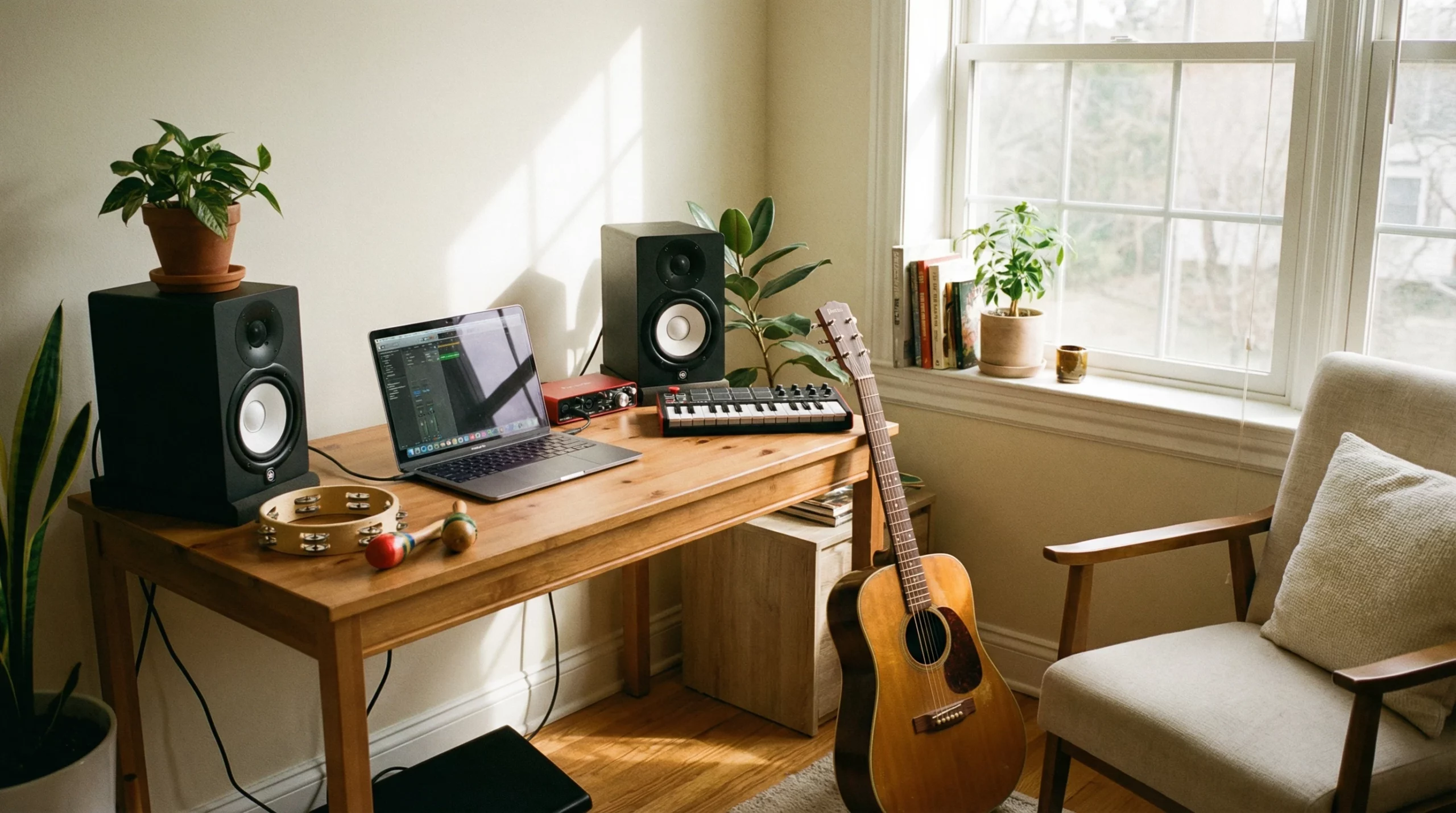
Producing music solo might sound like the ultimate way to stay in control, but it actually comes with some pretty big drawbacks. After spending years creating tracks in my bedroom studio, I realized how much I was limiting my own progress by staying solo. If making the best music possible and actually enjoying the process is your goal, teamwork and collaboration are key. Here’s why flying solo can be more of a setback than a shortcut.
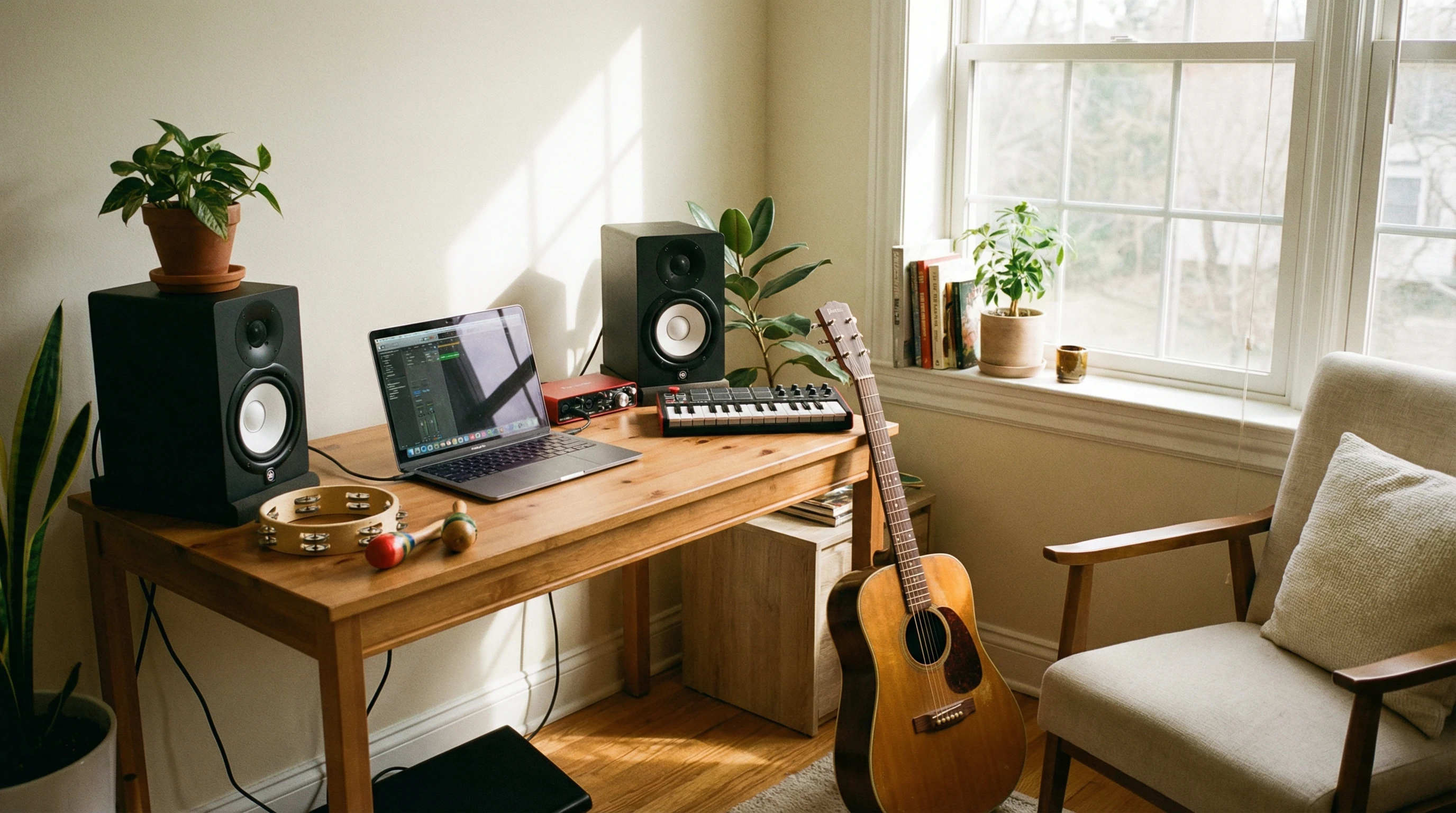
Why Going It Alone Feels Tempting, But Isn’t Always Smart
Producing alone gives you total creative control, and that can feel pretty great. No compromises, no schedules to juggle, just you and the music, right? There’s this idea that true artists work best in isolation, plugging away at their own pace, focused on their vision. And that’s true – to some extent.
The thing is, isolation can build a pretty high wall around your creativity. It gets harder to spot technical blind spots or stale ideas. You may end up recycling your habits, even when you’re convinced you’re innovating. Your tracks might sound fine to you, but they could also be echo chambers for your own habits, tastes, and mistakes.
The solo approach means missing out on new workflows, fresh insights, and the small tricks that make producing more fun and less frustrating. Even if you think you’re a perfectionist, you’re still working from the same perspective every time. That gets old fast.
You might also start to close yourself off from evolving trends in your favorite genres, limiting your growth as a producer in the long run. From time to time staying solo protects our vision, but it can also turn into a rut that’s hard to get out of, when we stay in solo mode for too long. That’s when you need to look at collaboration as motivation.
The Sticking Points of Producing in a Bubble
The biggest downside to solo production is hitting a creative wall and not realizing it. When you have no one to bounce ideas off of, it’s easy to settle for “good enough” or overlook better options. Here are the trouble spots I kept running into when I was a one person band:
- Creative Stagnation: My songs started sounding alike, and I didn’t even notice at first.
- Endless Self-Doubt: Without outside feedback, I got stuck overthinking tiny details.
- Tunnel Vision: Sometimes I would spend hours on a mix, making it technically perfect, but missing the vibe I actually wanted.
- Lack of Inspiration: Without input from others, I sometimes found myself repeating the same musical ideas.
When every decision comes from you, there’s nothing pushing your music into new territory. It’s sort of like trying to surprise yourself with a birthday present; you already know what you’re getting.
It can also be tough to know when a track is done. When you’re the only judge, you can end up second-guessing yourself or, on the flip side, releasing something too early. Feedback is valuable for both catching problems and confirming what you did right.
Collaboration: The Missing Ingredient
Working with other people transformed my music more than any new synth or plugin ever did. Teaming up brings a surge of ideas you just can’t get on your own. Someone else’s way of working, maybe a different genre or just a unique ear, can flip your whole process upside down in a good way.
Collaboration doesn’t just mean writing songs together. It can be as simple as asking a friend to listen and critique, swapping project files online, or even just talking through your track with other musicians. I’ve traded stems with producers who turned my sleepy track into something punchy and wild, and it made me rethink my own workflow for the better.
Collaborating opens you up to new genres, unique production techniques, and even different hardware or software you haven’t tried before. You might stumble upon a workflow hack or musical idea that suddenly changes your approach, injecting fresh excitement into your process.
The Perks You Only Get from Working with Others
Here’s what started happening once I started making music with friends and strangers alike:
- Fresh Ears on Your Mix: Others will notice stuff your brain skips over, like muddiness, clashing melodies, or a hook buried too deep in the mix.
- Faster Skill Growth: Every session with someone else taught me a new shortcut or creative trick I didn’t even know existed.
- Real Feedback: Honest opinions sting a bit, but they save your tracks from sounding amateur or unfinished.
- Unexpected Ideas: Collaboration always brings new influences to the table, whether it’s a weird chord, a catchy lyric, or a snare sound I’d never choose on my own.
- More Motivation: Pushing through creative slumps gets way easier with someone pestering, checking in, or just making music fun again.
- Bigger Network: Each collab helps you meet more artists, leading to even more opportunities for growth, gigs, or projects.
There’s also a real energy boost that comes from sharing the creative process. Even when things get tough or disagreements pop up, you learn new ways to problem-solve and compromise, skills that help both in music and beyond.
How to Get Out of a Solo Rut Without Losing Your Style
Worried about losing your personal sound if you work with others? I get it, nobody wants their music to sound generic. But the truth is, you don’t have to give up what makes you unique. Think of collaboration like adding secret ingredients to your recipe; your flavor is still there, just stepped up.
Start small, if the idea feels uncomfortable. Invite someone to send you a vocal, try remixing another producer’s track, or swap project files one section at a time. Online communities like Splice, SoundCloud, and Reddit’s music boards are full of eager collaborators, many of whom are open to trading ideas and techniques for fun.
How to Make Collaboration Work for You
- Pick the Right Partners: Look for people who have different skills, genres, or approaches. You’ll learn more from those who aren’t your carbon copy.
- Communicate Clearly: Share your ideas, reference tracks, and feedback, and be direct but kind.
- Stay Open: Try out suggestions even when they seem odd at first. Surprises are where the good stuff lives.
- Balance Compromise and Vision: Sometimes you’ll need to defend your instincts; other times, it pays to let go and try someone else’s approach.
- Set Expectations: Before you get started, decide who will handle what parts of the process. This clears up confusion and helps keep things friendly.
Even if your collaborator is in another city or country, cloud tools like Google Drive, Dropbox, and realtime Zoom calls with screen sharing make remote work smooth. Don’t get hung up on the tech; focus on the music and the learning.
Remember, not every collab will be a smash hit, but each one will teach you something valuable. Over time, you’ll also figure out whose workflow meshes best with yours, creating longer-term creative partnerships.
Common Worries About Collaborating (And Why They’re Overblown)
Lots of producers worry about opening up their work to others. It’s nerve-racking, sure, but most fears are easy to manage once you jump in.
- Worried About Criticism? Every pro faces feedback. It hurts sometimes but helps you take your skills up a notch faster than working in a vacuum.
- Afraid Your Ideas Will Get Stolen? Most people just want to make music, not rip you off. Still, if it bothers you, agree on terms before sharing files, or start with low-stakes projects.
- Think You’ll Lose Control? Collaboration doesn’t mean handing over your songs; it’s about swapping ideas, not giving up ownership. You still have the final say on your own work.
- Uncertainty About Roles: Defining roles and setting goals beforehand can prevent confusion and arguments later on.
All these concerns are valid, but most fade once you find collaborators you trust and see the benefits pile up.
Ways to Build Your Own Music Community
Finding people to work with is often the toughest part. I built up my circle through online forums, local open mics and DJ gigs, and simply my audio engineering and radio production colleagues. Track down local producer meetups, Discord servers, or music production subreddits that fit your genres or interests.
If you’re not into big groups, focus on oneonone swaps. Comment on someone’s track, offer a constructive tip, and ask if they want to trade project files. Being helpful gets you noticed faster than spamming your own links everywhere.
- Host Virtual Listening Sessions: Share unfinished tracks over Zoom or Discord and ask for notes.
- Feedback Exchanges: Set up trades where you mix or critique someone else’s song, and they do the same for you.
- Collab Projects: Invite a producer or vocalist to build something from scratch with you and split the credits.
- Join Genre-Based Groups: There are dedicated communities for every music style. These can be great for finding likeminded collaborators.
In-person events, even if just for networking, can also help. Some cities host producer battles or collaborative jam sessions, and even watching others create is hugely educational. Always follow up with people you meet; sometimes, a quick coffee or DM can spark a lasting creative partnership.
Frequently Asked Questions
Isn’t working alone helpful for developing your unique voice?
Spending time solo can definitely help you define your sound. But if you only ever work alone, you’re missing out on learning opportunities and new influences that could make your voice even more interesting.
What if I’m super introverted?
Plenty of introverted producers collaborate by swapping files online and never meeting in person. You can shape the process to fit your comfort zone and still get the benefits.
How can I avoid fights over creative direction?
Clarify roles, talk about goals up front, and always respect your partner’s contributions. Working out the awkward stuff early saves headaches later.
What if I don’t have fancy equipment?
You don’t need expensive gear to make great music or collaborate effectively. Many incredible tracks have been made with basic setups. Focus on your creativity and technique—the rest will come with time and experience.
The Bold Upshot
Producing alone feels secure, but growth loves company. If your tracks are starting to blur together, shake things up, reach out, swap ideas, and get a little uncomfortable. Your music will thank you, your skills will skyrocket, and who knows, you might even have more fun than you imagined. Ditch the solo grind and test your tunes in the wild. Bet you’ll never want to go back.