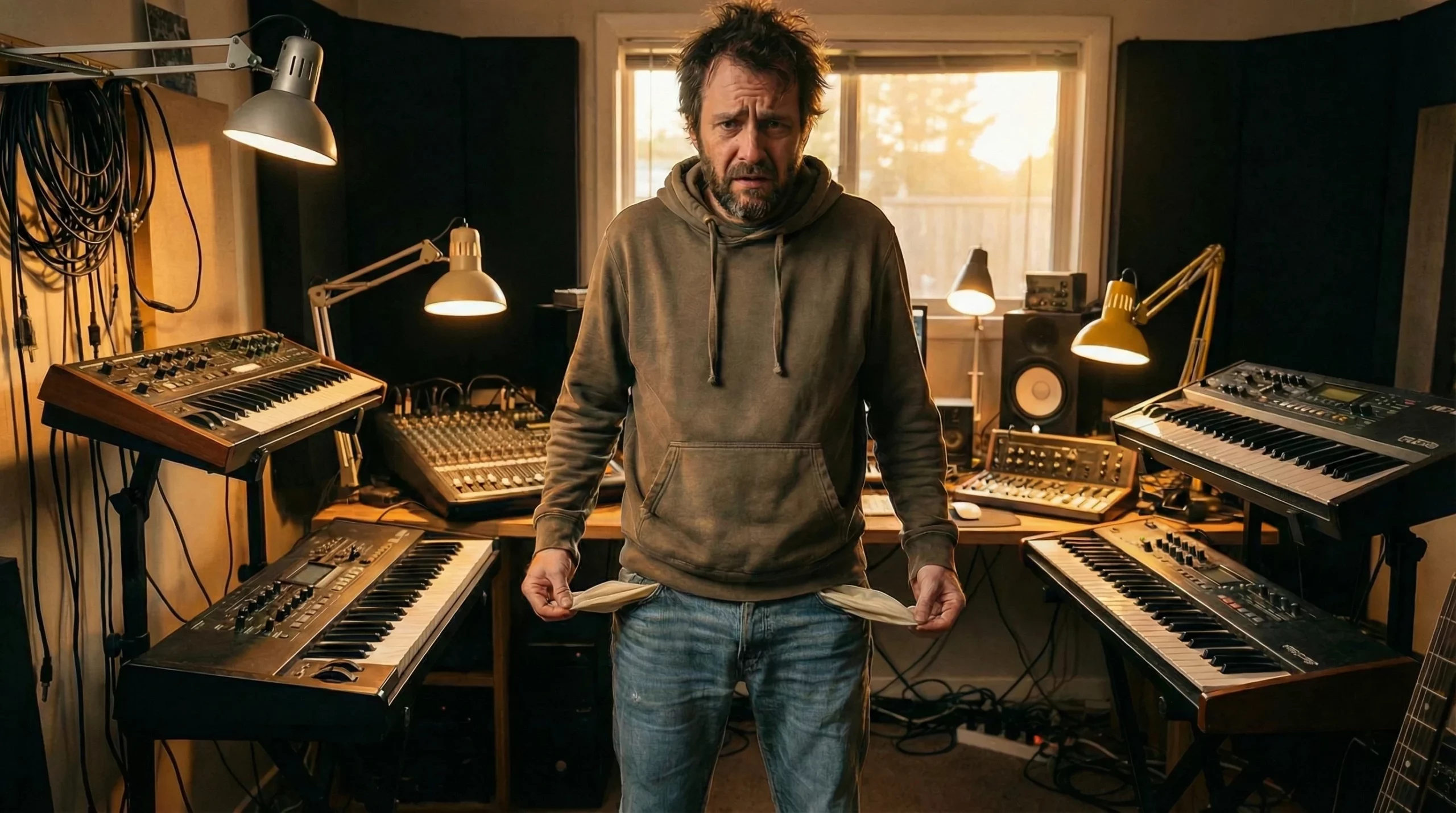
Pricing creative work can feel like a puzzle nobody wants to solve. Almost every creative pro I know, whether they’re crafting music, photography, art, design, or digital goods, has gone through that awkward dance of naming their price. It’s common for folks to set prices low, sometimes painfully low. I’ve been there (oh, these underpriced DJ gigs!), and chances are, you’ve been there too. So, why does this keep happening? Here’s my deep look into why producers so often underprice their work, and what you can do to make sure you don’t fall into the same old trap.
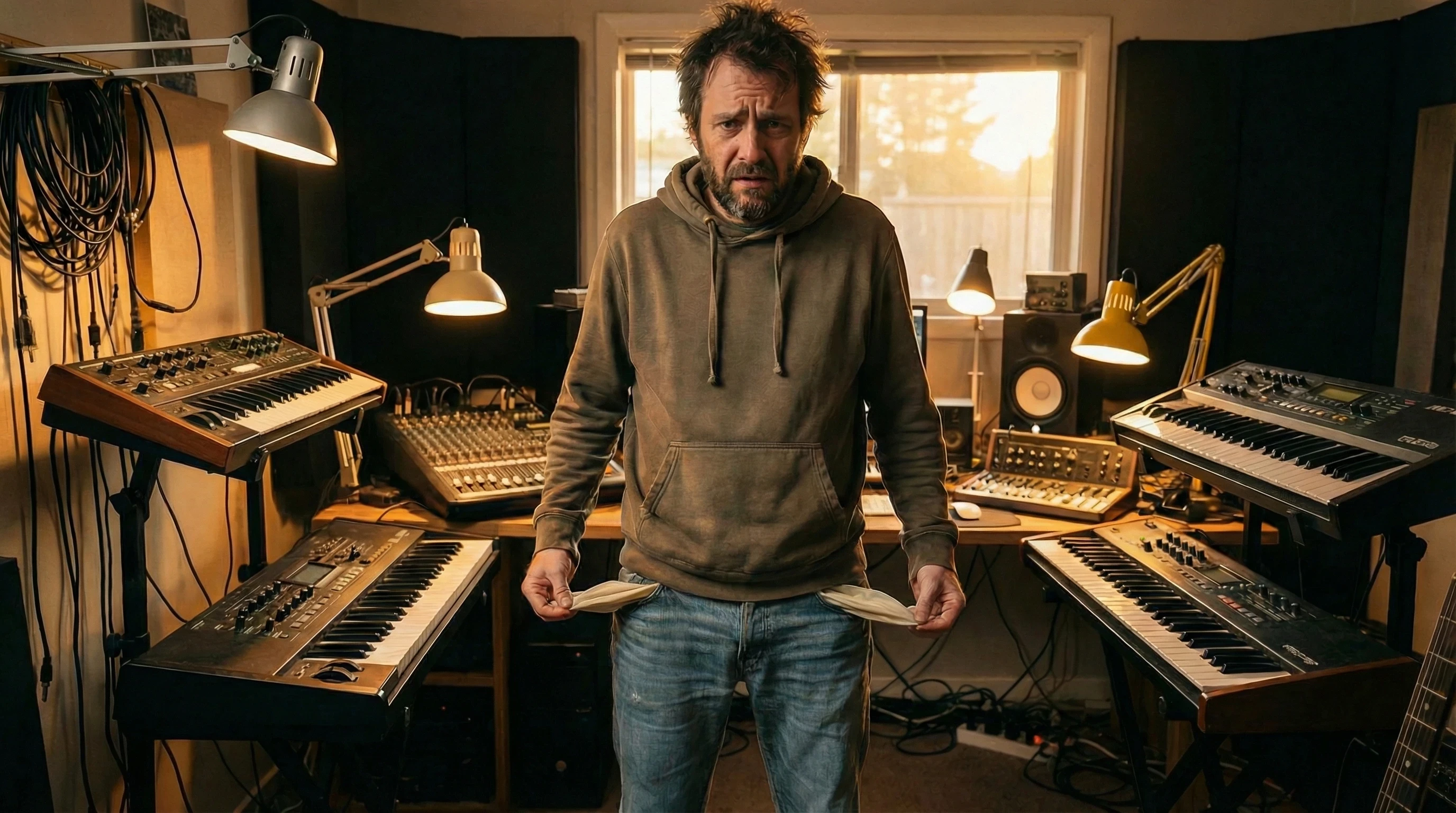
The Emotional Side of Setting Prices
Pricing isn’t just about spreadsheets and market research. It’s tangled up with confidence, fear, and the urge to people please. When you’re putting something you made out in the wild, charging what it’s worth can feel risky. There’s that little voice that says, “Will anyone actually buy this?” It’s way easier to drop the price than risk hearing crickets.
Imposter syndrome can lurk around every corner. I can’t count the number of producers who’ve admitted they worry their work “isn’t good enough.” Even seasoned creators get nervous that clients will roll their eyes at a price that feels too high. This self-doubt often pushes people to slash their rates just to make a sale, even when their work genuinely deserves more.
Market Myths and the Race to the Bottom
The market is packed. From physical products on online marketplaces to digital downloads on all kinds of platforms, creators see competitors everywhere. It looks like everyone else is working for peanuts, so matching their price feels mandatory if you want a shot at getting noticed.
But here’s the catch: a lot of the people you see pricing low aren’t even turning a profit. Many hobbyists or brand new sellers set rock bottom prices just to try things out or grab some attention, not to actually build a lasting business. When you scroll through endless pages of discounted offerings, it’s easy to think that’s the normal way to start. This race to the bottom is tough to break. If everyone does it, it becomes the culture and it can feel almost impossible to break away from.
This myth is especially tricky because it creates a culture where low prices are seen as the only way to compete, even when it simply isn’t true. Plenty of successful producers have carved out spaces at higher price points by focusing on quality, consistency, and building loyal audiences who value what they do.
Knowledge Gaps: Not Knowing What to Charge
One of the top reasons producers underprice is that they simply don’t know how to price for their product or service. Knowing your costs, time value, and what similar work actually sells for takes real research. Many producers skip this step, guessing instead or copying the lowest visible prices because it seems like the safest choice.
I’ve seen people not factor in their time at all, focusing only on the cost of materials. Or worse, forgetting shipping, platform fees, taxes, or ongoing software costs. When you miss those details, your price will end up putting you under water and nowhere near breaking even.
- Direct Costs: These are raw materials (instruments, mics, audio interfaces, etc.) or digital tools (DAW, mastering software, samples etc). They’re easy to spot but often undervalued. If you use premium supplies, make sure every bit is factored in.
- Indirect Costs: Think website hosting, advertising, payment processing, subscriptions, or even your electric bill. These may seem small, but they add up fast if you’re not careful.
- Time: Every hour spent sound-designing, composing, producing, editing, or emailing has value. Your time isn’t free. If you don’t value it, no one else will.
Getting a clear sense of your true investment is key to setting a price that doesn’t leave you short. Try tracking an entire project from start to finish and list every cost and hour you put in. You may be surprised by how much goes into a single piece.
The Desire for Exposure and Early Momentum
“I’ll price low now, then raise my rates later.” Heard that one before? It’s a classic move. Many producers think discounts and underpricing are useful for gaining exposure, snagging those eye-catching five-star reviews, and building a portfolio. Sometimes, it works, but only if you have a real plan to increase your rates and stick to it.
The trouble is, customers get used to cheap prices quickly. Suddenly, raising your prices feels even harder. Early clients may disappear the moment your rates inch up. This makes the “temporary discount” cycle pretty tough to break.
Big Barriers: Fear of Losing Clients
Every time I’ve talked to other creators about pricing, there’s one thing that comes up—fear of rejection. It feels easier to let your work go for less than to risk losing a sale entirely. Especially early on, the need for validation or those first few sales can drive anyone to underprice.
Customers can also become very savvy. Bargain hunters shop around and love to try their luck negotiating, especially if your prices look flexible. Producers who aren’t confident about their pricing get caught in tricky negotiations and often cave just to make a sale. This pattern quietly trains customers to always expect lower prices, making things even harder for you down the road.
How to Break the Underpricing Cycle
Sticking with low prices might earn you a few quick sales, but it’s rarely a recipe for long-term happiness or success. Here are some practical ways to rethink and improve your pricing habits without feeling awkward or insecure about it:
- Calculate Your Costs (All of Them): Include direct, indirect, and most importantly, your time. Track at least a week’s worth of work to see the real hours you spend. Don’t just guess—numbers tell the truth.
- Check the Market (But Not Just the Cheapest): Look at what successful producers charge, especially those with regular sales and solid reputations. Aim for that range. Ignore the outliers who seem to be underpricing for exposure or as a hobby.
- Focus On Value, Not Just Numbers: Instead of fixating on price, highlight what people actually get from you. Do you offer speedy turnaround, personal touches, or extra care? Showcase those details in your listings and pitches.
- Try Small Price Increases: If you’re nervous, bump your rates by 10% to 15% for a month. Watch how your audience responds. Chances are, you’ll keep most of your clients and grow your confidence at the same time.
- Build in Room to Grow: Don’t stay locked in at your starter prices for too long. Schedule check-ins after your first month, then every few months, to review and raise your rates as your skills and business evolve.
Stepping up your pricing isn’t just about cash. It’s a mindset switch. When you believe your work matters, clients feel it too and are more likely to pay accordingly.
Common Roadblocks (and How to Get Past Them)
- “I’m new, so I can’t charge much.”
Nope. Being new doesn’t mean working for free. Name a fair price right away and practice explaining it confidently. Early clients respect that you know your worth, and you’ll attract people who want real value over cheap deals. - “If I charge more, I’ll lose sales.”
You might lose some bargain hunters, but you’ll open up space for higher-paying customers—ones who truly appreciate your value and skills. - “No one charges more in my niche.”
Somebody’s got to be first. Sometimes, just a few people deciding to stand up for fair pricing can create a ripple effect. Others will follow when they see it works.
FAQs About Pricing Your Work
Q: How do I decide on an hourly rate?
A: Figure out the minimum you want to earn (after costs), then divide it by the number of realistic hours you’ll work each week. Don’t forget to account for admin, downtime, and everything beyond just the creative time. Know your baseline and don’t be afraid to tack on an extra cushion to cover surprises.
Q: Customers always ask for discounts. How do I push back?
A: Stand your ground by focusing on value and results. Instead of dropping your price, try offering a small bonus or limited time add-on if you like. But don’t undercut yourself—repeat buyers or referrals are better reasons to reward than random requests.
Q: When should I raise my prices?
A: If you’re constantly busy, booked out, or adding fresh, next-level cool features to your work, it’s time for a bump. When your process improves or you gain new skills, reflect that in your rates. Your growth deserves recognition from your prices.
Wrapping It Up with Confidence
Underpricing isn’t just a “producer issue.” It’s a creativity issue, a confidence issue, and a habit that can trap even the most talented people. Owning your value isn’t simply about charging more money; it’s about treating your work (and yourself) with respect. Next time you think about lowballing, ask yourself, “If I don’t value my time, who will?” Push your price up just a bit and watch what happens. You might be surprised by how many people are ready to pay what your work is truly worth.