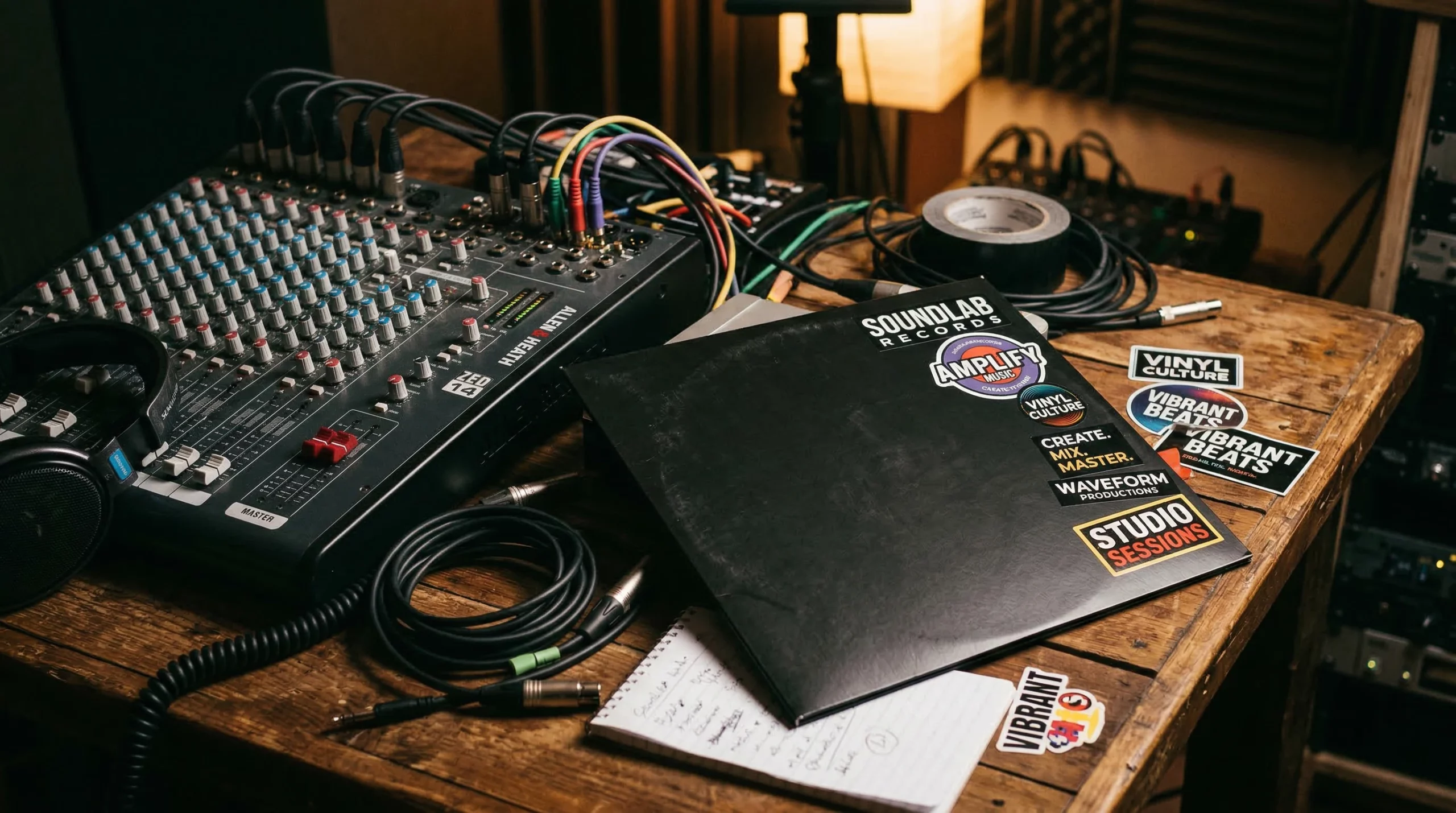
If you’re putting your heart into making great music and wondering why no one’s banging down your digital door, you’re hardly alone. There’s a big crowd of talented musicians who can write, play, produce, and release tracks that sound fantastic and still hear crickets when it comes to streams and gigs. Honestly, the hard truth is: great music is just one piece of what it takes to actually make money with your craft or create a lasting career. But once you understand what else goes into making it work, you can start stacking the odds in your favor.
Beyond Great Tracks: Why Music Alone Doesn’t Pay
I used to think that if my songs were polished and unique, people would just find them somehow. But what really happens is, especially these days, the world is overflowing with amazing music. Streaming platforms add about 100,000 tracks a day. Even if you make magic in the studio, you’re competing with millions of other songs for attention.
When I started poking around at why some artists seem to pop off while others stall, a pattern showed up. The ones actually landing sync deals, getting real fans, or scoring high-paying gigs always treat their music as just the start. They make time for networking, build a brand, and put in the work marketing themselves. It’s about creating a full experience, and that means wearing more hats than just “musician.” Successful artists never stop learning—from merch to mastering new platforms, they keep adding strings to their bow to stay ahead and keep listeners engaged over time.
Networking and Collaboration: Quiet Superpowers
Most people underestimate how far a solid network can take you. One honest connection with a more established artist, producer, or promoter can open up opportunities that no streaming stat ever will. Early in my adventure, swapping demos with producers led to collaborations that got my tracks into new scenes. Sometimes all it takes is one DM or showing up at local shows and actually talking to people. Being present at these events made all the difference, even for an introvert like me.
Collaborations are more than just boosting your follower count. They push your skills, give you fresh perspectives, and sometimes create tracks that connect with totally different audiences. Producers and artists who regularly work with others are almost always busier and earning more than those who stay solo. If you’re serious about growing, reaching out to other musicians or even content creators can really move the needle. Plus, teaming up with video editors, photographers, and people outside the music bubble opens up new creative options and audience bases you might never reach alone.
- Attend city meetups: Community events, open mics, and industry conferences can turn online connections into real friendships, leading to future opportunities.
- Trade skills: Maybe you’re a killer mix engineer and someone else is a wizard with visuals. Team up and you both benefit. You don’t just share the workload, but get to experiment and cover more creative ground together.
- Give before you get: Genuinely support other artists, and more chances will come your way than from cold-pitching your own stuff. Promote their gigs, share someone’s track, or simply be present for their sets; people remember support and usually return the favor.
Marketing and Branding: The Other Half of the Job
If you want music to pay bills, people need a reason to remember you. This is where branding and marketing step in. Marketing isn’t just posting random snippets of your tracks; it’s about communicating what you care about, the sound you stand for, and the vibe you bring. Good branding gives fans, and gatekeepers, a reason to click play again, follow your story, and spread the word.
I struggled at first because it felt weird “selling” myself. But once I treated it as simply sharing the real story behind my music, things started clicking. Your brand shows up in your visuals, your social media voice, your artwork, your live presence, and even the way you interact with fans. Remember, your brand goes beyond visuals—it includes your story, your message, and the reasons you create music in the first place. The stronger and more authentic your presence, the easier it becomes for people to connect with you and your work.
- Consistency builds trust: Use the same colors, logo, and vibe across everything from Spotify to your emails. People remember what they see again and again.
- Tell your story: Talk about the why behind your songs in posts, newsletters, or even quick videos. When people know why you create, they’re more likely to stick around. This helps them relate to your art and remember you when they scroll past hundreds of other artists daily.
- Get involved, don’t just broadcast: Answer comments, reshare fan posts, and make people feel part of your world. That sense of connection goes way further than buying followers. When fans comment, take a moment to reply with something real—it pays off by turning casual listeners into loyal supporters.
Making It Sustainable: Systems, Royalties, and Income Streams
Turning your music into income doesn’t happen by accident. Setting up simple systems for releasing music, tracking royalties, and connecting with potential clients or fans goes a long way toward real growth. When you plan releases and have a promotion roadmap, you can keep the momentum going between drops. Don’t just upload a track and hope. Choose release dates, line up social teasers, and pitch your songs to playlists and blogs. Keeping things organized means you’re always ready to take advantage of new opportunities, big or small.
Royalties and different sources of music income can slip through the cracks if you’re not careful. Registering your tracks with a performing rights organization (like ASCAP, BMI, or PRS), setting up digital distribution, and tracking what you’re owed all take a bit of extra effort, but make a real difference in the long run.
- Multiple income streams = stability: Besides streaming, look into sync licensing, live events, Patreon, or offering custom work for other creators. Don’t bank on one platform alone. Consider online workshops, teaching private lessons, or selling beats to diversify income.
- Keep good records: Use spreadsheets or accounting tools. Not sexy, I know. But it saves tons of headaches at tax time or when you want to chase up missing payments.
- Stay persistent: Momentum takes time. Even if the first few, or fifty, or hundred tracks flop, every consistent release and outreach builds up over months, not days. Regular action keeps you moving forward and increases your chances for those unexpected breaks.
Getting Through the Common Roadblocks
Staying motivated when results are slow is rough. I’ve had releases totally bomb, emails ignored, and more than one show with only three people and the bartender in the crowd. Every musician faces these moments, but learning from them, and not taking them personally, really matters. Sometimes you need to step back, recharge, and try another approach with fresh ideas.
- Imposter syndrome: Just about every musician feels like a fake at some point. It helps to focus on progress, not perfection, and connect with other artists who get what you’re feeling. Sharing struggles—online or off—usually reveals you’re far from alone, and often sparks encouragement from others facing similar issues.
- Overthinking the numbers: Chasing monthly listeners is a losing game. Real fans, and the income that comes with them, come from interaction and connection, not streams alone. Aim to build community, not just hit numbers.
- Comparing your adventure: Someone else’s viral hit might just be followed by months of nothing. The musicians who stick around are usually the ones who build slowly and don’t burn out chasing every trend. Your personal growth is just as important as your musical stats.
Planning for Longevity, Not Hype
A lot of musicians burn out because they chase short hits or viral moments without building something solid underneath. The people who last are super intentional; they mix together making great tracks with smart networking, savvy marketing, and a willingness to learn extra skills along the way.
Remember, the biggest leap isn’t from “good” to “amazing” songs, but from making music alone to building a real, recognizable presence. Each track, connection, or post you share is one more step in an adventure where you control way more than people realize. If you keep building, the small wins add up and push your career forward no matter what the current trend happens to be.
FAQ: Top Questions Musicians Ask About Going Beyond the Music
How much time should I spend on marketing vs. making music?
Honestly, it’s a balancing act. Some weeks I’ll spend more time pitching tracks and planning content than actually recording. But the returns start to show when you treat each as part of your job. Even an hour a week spent on outreach or branding can make a difference. Try blocking out short, regular time slots so your marketing doesn’t get neglected.
How do I start networking if I’m shy or don’t know anyone?
Start small; comment on posts you like, join Facebook groups, or DM another musician just to say you dig their work. Most musicians feel awkward at first, so someone has to make the first move. It gets easier the more you do it. When it comes to visiting local events, just remember that many people there feel just as nervous as you do, so simply introducing yourself is often enough to break the ice.
What’s the fastest way to build a brand?
No shortcuts, but being real and consistent works best. People can spot fake vibes a mile away. Design a simple logo, stick with one or two colors, and make sure your messaging feels like you in every post. Authenticity always shines through and helps you stand out, even in a crowded field.
Insight for the Road: If You Want Your Music to Matter, Make Yourself Matter Too
People have more choices than ever, and even legendary tracks disappear when nobody knows who made them. Invest as much energy building relationships, telling your story, and showing up for your audience as you do in producing, mixing and mastering. When you put your time into both your sound and your presence, you give fans, and the industry, a reason to pay attention. The world isn’t just looking for music. It’s looking for musicians who are real, recognizable, and ready to be seen. Ready to show up?