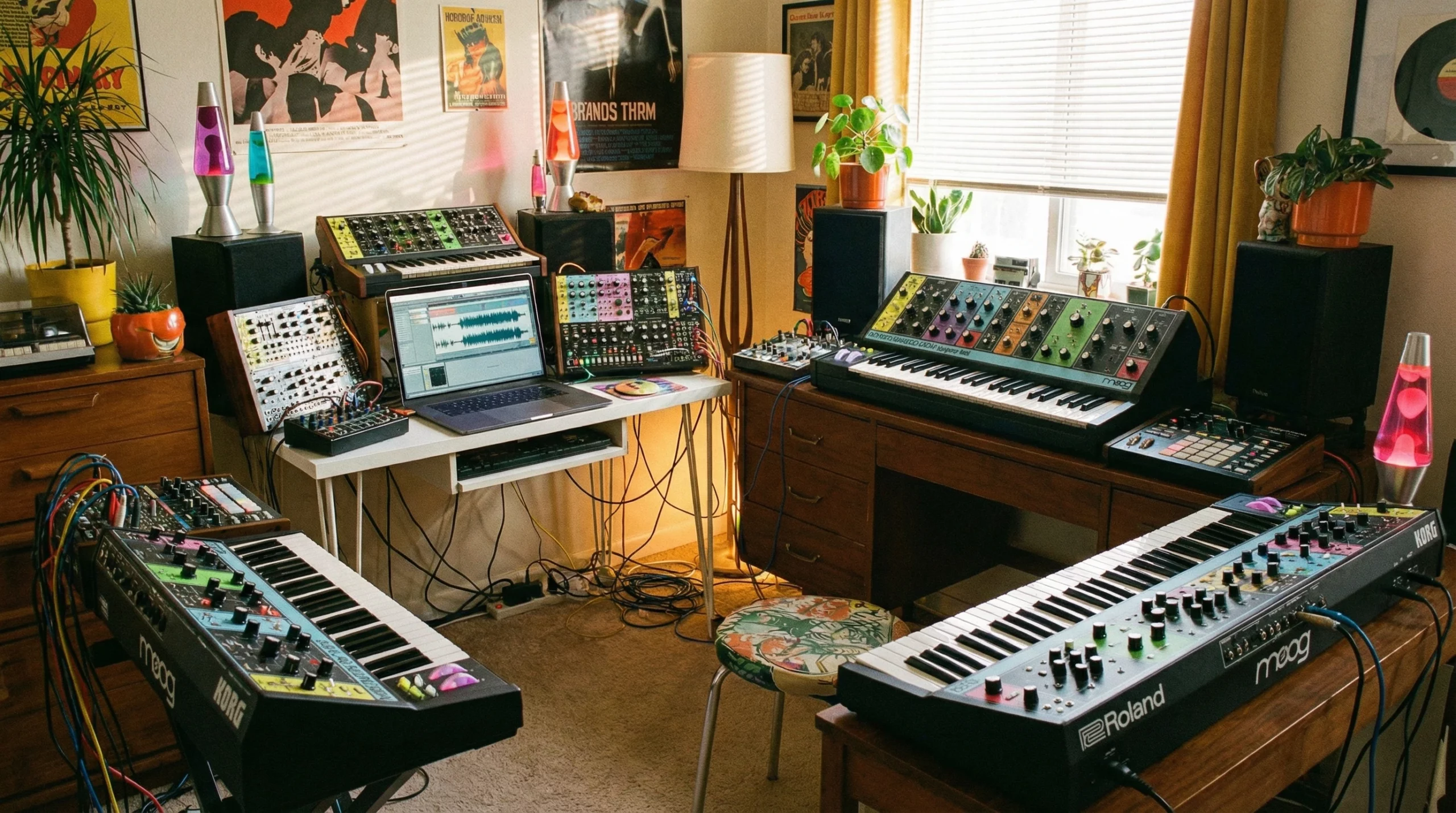
Hitting a skill plateau can leave any producer feeling stuck, like their tracks just aren’t taking up a notch. I’ve been there, and just about every serious music producer runs into this wall. So what’s the real deal behind why progress suddenly flattens out, and what can you do about it? I’m breaking down the reasons it happens, how to spot the signs, and practical tips that’ll actually get things moving again, instead of just spinning your creative wheels.
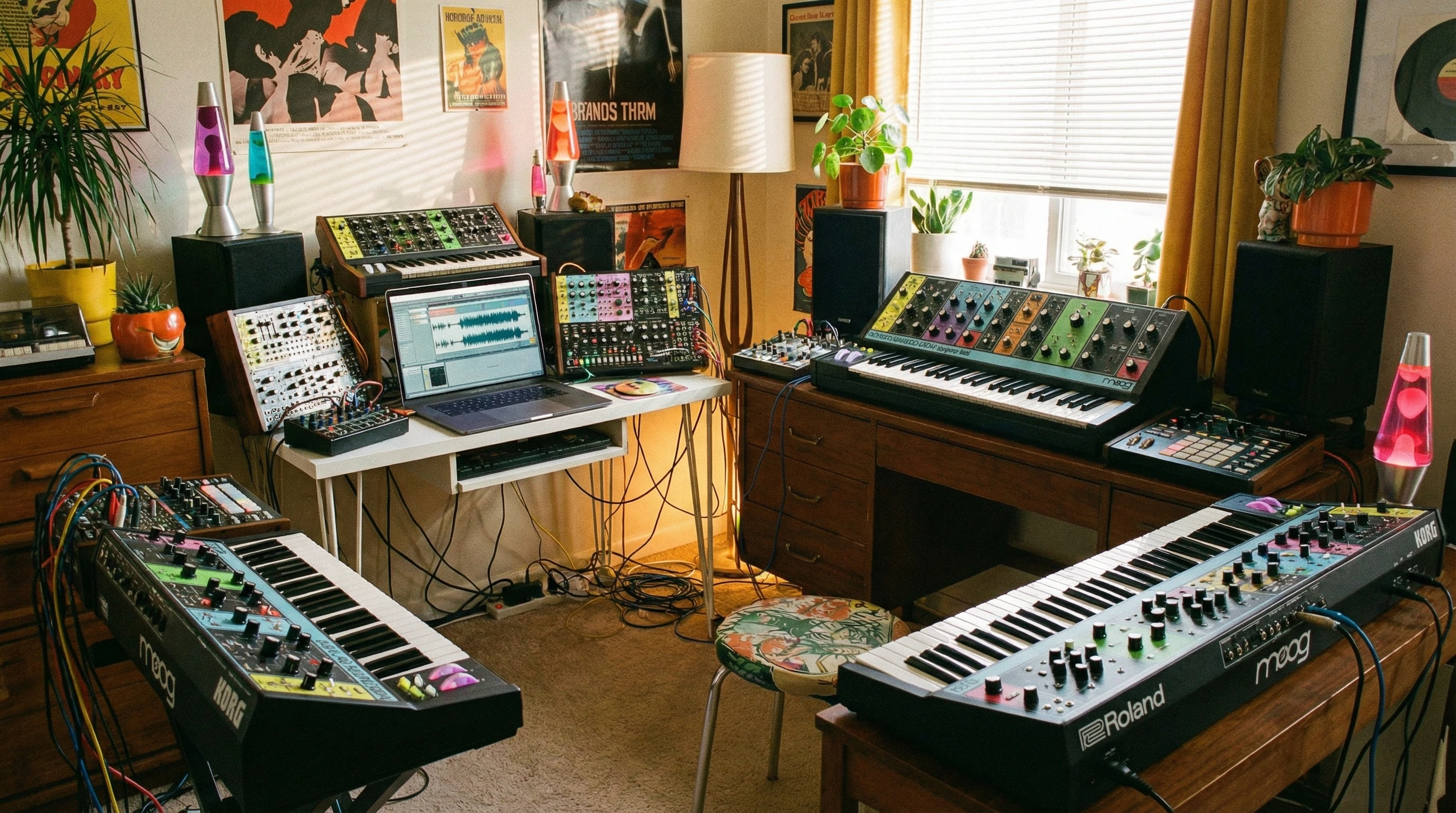
What Does a Production Plateau Look Like?
You’ll know you’ve hit a plateau when your tracks start sounding the same, and nothing feels fresh. You put in hours in your DAW, try new samples, but everything just sort of blurs together. There’s no clear jump in quality like you saw when you first started out, and it’s weirdly frustrating.
This phase usually sneaks up after you’ve nailed the basics. Your workflow is smooth. You can put a beat down in thirty minutes. But pushing into more advanced skills, like getting deeper mixes, more emotional hooks, or that prolevel polish, starts to feel really tough.
Common Causes for Hitting a Plateau
Plateaus don’t just show up to annoy you. They’re pretty common, and there are a few regular culprits that usually get in the way of progress. Here’s where things get interesting:
- Sticking to Habit: Using the same plugins, loops, and song structures because they’re comfortable, not because they generate excitement.
- Skill Gaps: Overlooking music theory, mixing techniques, or sound design skills that would actually open up new options.
- Impatience: Wanting instant results so much that you skip proper practice, feedback, or focused experimentation.
- Lack of Clear Goals: Working without a plan leads to aimless, repetitive sessions instead of creative breakthroughs.
- Burnout: Pushing yourself too hard, or comparing your work to pros until you lose motivation.
Digging Deeper: Why These Issues Creep In
Each of these reasons ties back to something everyone deals with: our brains love routine, and comfortable flows feel good. But creativity gets stale fast when there’s no challenge. I remember the year I realized I was only making lofi beats because they felt safe. Every project got easier, but less satisfying, and nothing actually sounded new.
For a lot of producers, there’s a real fear in trying something outside your comfort zone. Sometimes you avoid learning something complex, like advanced compression or jazz chords, because it feels like starting from scratch. The brain says, “Why bother? You’re good here.” That’s pretty handy for quick workflow, but it’s a trap for longterm growth.
Recognizing the Signs You’ve Plateaued
Catching a plateau early helps you break out before frustration sets in deep. Here’s what to keep an eye out for:
- Your Tracks Sound the Same: New projects start blending together, with only minor tweaks separating each song.
- You Avoid New Tools or Genres: There’s a resistance to learning new plugins, new synthesis styles, or teaming up outside your usual genre.
- No Excitement About Your Own Music: That spark of “this is dope!” is missing after finishing a track, or, worse, you don’t even finish.
- Feedback Feels Predictable: Listeners and peers give you the same comments every time: “It sounds clean,” “Nice vibe,” but nothing stands out.
Busting Through: Steps That Actually Help
Getting unstuck isn’t about chasing every new sound pack or fancy plugin. It’s about shaking up your own habits and challenging yourself in new ways. Here are steps that actually shift things forward:
- Start a “Reverse” Project: If you’re always making hiphop, try producing a house track with the same tools. Flipping genres forces new patterns.
- Schedule Focused Practice: Set aside short sessions just to work on a weak spot, like drum programming or EQ. Not for making tracks, just practicing a microskill.
- Check Out One Plugin or Tool: Instead of bouncing around, learn your main synth or compressor inside and out. Mastery over one thing can drive major growth.
- Redesign Your Workflow: Try a different order when building tracks, for example, start with textures instead of drums, to create happy accidents.
- Get Real Feedback: Join feedback streams, forums, or a trusted group. Honest, outside ears hear what you can’t.
Other Factors That Slow Progress
External stuff can weigh things down, too. It’s really important to spot these so you don’t blame yourself for everything.
- Distractions: Life gets busy. Sometimes, you’re just not in a headspace where breakthroughs happen, and that’s okay.
- Perfectionism: Wanting every mix to sound perfect can stop you from finishing tracks or taking risks.
- Lack of Inspiration: Listening to the same artists or playlists only feeds your current sound. Explore outside your usual taste—for example, film scores, video game music, or world grooves.
Perfectionism
This one’s pesky. If you stall out because nothing feels “pro enough,” you end up with fifty unfinished projects, each one a tiny step, but none big enough to spark growth. Sometimes, sharing your “okayish” ideas quickly gets you better feedback and more creative confidence.
Too Many Choices
Endless plugin libraries and sample packs can paralyze your creativity. Limiting your tools (for a week or even a month) forces you to focus on the basics and stumble upon new tricks with gear you already have.
Unrealistic Expectations
If you’re comparing year one tracks to your favorite Billboard artists, selfdoubt wins. Tracking your own progress (old projects versus new) gives you way more real perspective.
Breaking the Plateau With Collaboration
Producers sometimes act like lone wolves, but working with others can shatter a rut. Collaboration introduces unpredictable elements, like fresh ideas, new critiques, and workflow hacks. I once sent stems to a drum’n’bass producer I met in a forum and couldn’t recognize my own beat when it came back. It was just the jolt I needed.
- Swap stems or unfinished beats with a friend
- Join online producer challenges
- Offer to remix someone’s track or get your track remixed
Collab sessions are where most “aha!” moments live. They mix in some variety and let you see your work from a different point of view, which often sparks newfound excitement for your craft.
Why Plateaus Are Actually a Good Sign
This might sound odd, but plateaus mean you’re pushing close to your current edge. All the easy growth is behind you, and now it’s time for actual skillbuilding. Early on, every plugin unlocks a new sound and every YouTube tip takes you up a notch. However, real breakthroughs now come from depth—learning theory, mixing, and creative risk.
Some plateaus are simply a sign to step back and rest. Take a couple of days off, listen to totally different music, or even spend time outdoors. Creativity often sneaks back in after you’ve given yourself a break; inspiration strikes at the most unexpected moments.
FAQs: People Ask These All the Time
Q: How long do plateaus last?
A: It varies. Sometimes it’s a couple of rough weeks, sometimes a few months. Consistent, small challenges, such as trying new styles or tools, always help shake things up.
Q: Should I keep making music if I’m not improving?
A: Absolutely. Consistency matters more than big leaps. The act of creating itself often leads to tiny shifts that build up over time.
Q: Is formal music training the answer?
A: Training helps to fill theory gaps and speeds up growth for some, but plenty of producers break plateaus by listening closely, experimenting, or working with others without any traditional music education.
Final Bold Insight: Plateaus Are the Start of Real Progress
That stuck feeling is your brain’s nudge to shake up your routines. Next time you hit a wall, treat it as your cue to go deeper, get uncomfortable, and experiment more. The next big breakthrough usually comes when you stop spinning your wheels and try something that scares or genuinely excites you. If you’re feeling stuck today, challenge yourself: pick one thing from this guide and mess your process up, on purpose. That’s where progress lives.