Creative block pops up in every music producer’s life, no matter how long they’ve been making music. Whether you’re still learning the basics or you’ve spent years crafting beats late into the night, there will be days when inspiration simply disappears. I know how frustrating it feels to stare at a blinking cursor in a silent DAW session, waiting for that spark to fire up again. But take it from someone who’s been there plenty of times: There are practical ways to break free and get those creative ideas flowing, even when things feel totally stuck.
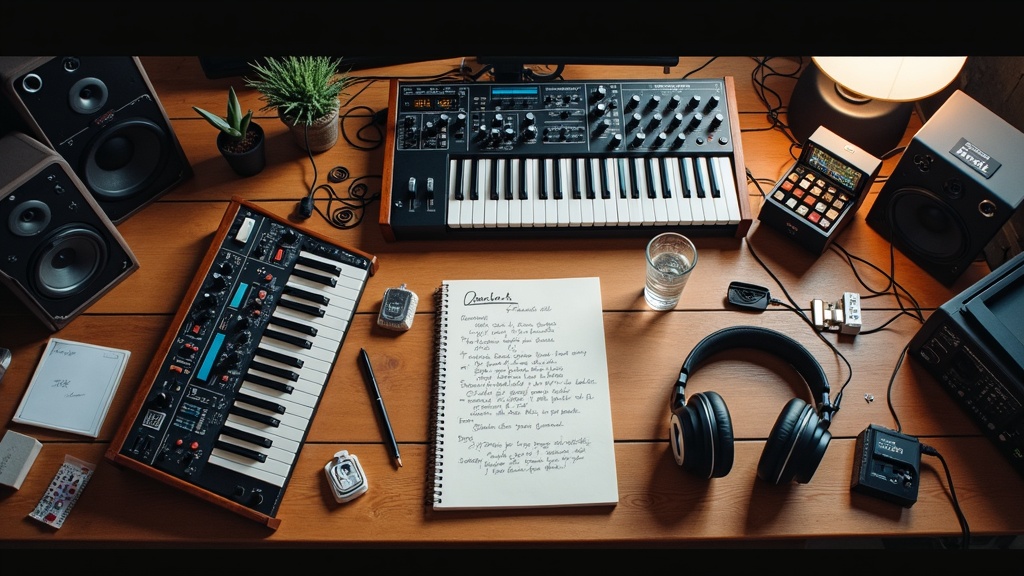
Why Creative Block Happens in Music Production
Losing inspiration in music production is nothing unusual. Producers at every level hit a wall. The reasons can vary: burnout from pushing too hard, doubts about your skills, or the endless grind for unique sounds. Sometimes, the routine itself becomes the wall—using the same process every day or sticking to the same genre can drain you out. For me, constant output without enough breaks kicks off that stuck feeling, and I know I have to step back before it gets worse. But once you realize that creative block happens to everybody, it’s easier to be kind to yourself while you work through it—and that alone helps lift some of the pressure.
Getting Out of a Creative Rut
There’s no magic button to fix creative block, but switching up your approach can make a world of difference. Even the smallest changes in routine can lead to big shifts. Here’s how I shake things up, and maybe some of these ideas will spark for you too:
- Change Your Space: Move your gear around, adjust the lighting, or even work in a different room for a while. Sometimes a fresh environment brings a new mindset.
- Try Different Tools: Reaching for a different instrument, effect, or even a quirky plugin can surprise you with sounds that push you out of your usual patterns.
- Set Time Limits: Give yourself a strict thirty-minute challenge to make something, no excuses. Short deadlines force you to let go of perfection and follow the energy.
- Step Away Completely: Shut down your session and head outdoors, or just listen to something unrelated for a while. There’s real value in letting inspiration sneak up on you when you’re not fixated on chasing it.
Techniques for Finding New Musical Inspiration
Some tracks almost create themselves, especially when you’re in that zone of rapid inspiration. Even though it feels random sometimes, you can actually prime yourself for those moments. Here’s how I like to dig into new sources of creative fuel:
- Reference Tracks: Listening to current favorites or songs in completely different genres opens your ears to new grooves, arrangements, or tones. Sometimes a single element from another track gives me a launching point for my own ideas.
- Sample Chopping: Skimming through old records, voice memos, or my own unfinished projects for interesting sounds helps me to find inspiration. A single offbeat sample can flip the entire mood of a beat—in a good way.
- Collaboration: Teaming up with other artists, even for just a short jam session, or even just honest feedback, brings new perspectives and fresh energy that can smash right through a creative wall.
- Reverse Engineering: When I get stuck, recreating the structure of a favorite track (without copying it) teaches me a lot about arrangement and sparks new ideas I probably wouldn’t have found otherwise.
Quick Guide to Pushing Past Creative Block
If deep inspiration feels far away, sometimes you just need actionable steps to break the block. Here are a few moves that almost always help me get unstuck:
- Set a Micro-Goal: Don’t think about finishing a full song. Aim for a tiny, usable piece—an 8-bar loop, an intro, or a simple melody. It lowers the stakes and lets you experiment.
- Switch Genres: Jump into a totally different style. If you’re a hip-hop producer, mess with acoustic folk samples; if you’re all about trap, try some synthwave. You’re likely to stumble upon sounds you’d miss otherwise.
- Limit Yourself: Force yourself to only use one virtual instrument (or five different effects max) for the session. This constraint forces more creative sound design and arrangement.
- Forget the Rules: Let yourself create chaos—ignore formal structure or what your track “should” sound like. This freedom lets playful, unexpected elements through.
- Record Ambient Noise: Capture city sounds, birdsong, or even your washing machine. Drop these into your DAW as textures or rhythm beds—they can really give a fresh twist to your beats.
Common Challenges Music Producers Face With Inspiration
The roadblocks aren’t always obvious. I’ve found that some challenges sneak up slowly over time:
- Overediting: Obsessing over tiny details can stall the whole process. I try to bounce a rough version at the end of every session—even the raw ideas matter.
- Perfectionism: Chasing flawless mixes and arrangements prevents me from finishing tracks. Reminding myself that a good idea in rough form can be better than something highly polished with no character really helps.
- Imposter Syndrome: Social media feeds can overwhelm you with amazing music from others, making you forget your own progress. Listening to my oldest work and comparing it to where I am now makes a big difference in boosting confidence.
- Tool Overload: Hoarding plugins and VSTs slows everything down. Paring back to a simpler setup is almost always the answer to overwhelm.
Advanced Tricks for Sparking Inspiration
Sometimes standard advice isn’t enough, so I like to get a bit experimental. Here are some out-of-the-box methods I use to shake free new ideas:
Field Recording: I use a handheld recorder (or even my phone) to capture unexpected sounds—weather, trains, random conversations. When I’m dry for ideas, these field noises often trigger new rhythms or soundscapes.
Algorithmic Tools: Letting your DAW randomize MIDI notes, automations, or effects parameters can create happy accidents. Sometimes, the most interesting musical results happen when the process is slightly out of your hands.
Remix Your Own Tracks: I’ll open an old song, cut half of it away, and rebuild from scratch. Something about seeing your own work through fresh eyes can lead to new creative breakthroughs.
Chain Collaboration: Trading half-finished sessions online with friends helps get a new spin on your tracks—there’s nothing quite like hearing your beat totally reimagined by someone else.
Why Switching Up Your Equipment or Workflow Can Help
Monotony often kills inspiration. By mixing up your gear or how you approach a session, you force your brain to adapt—which is when innovation happens. Here’s how I like to freshen up my workflow:
- Analog Synths: Touching real knobs and sliders makes the process more physical, encouraging organic melodies you’d miss clicking around in software.
- Modular Gear: Even digital modular synths can deliver surprises that unlock curiosity and lead you toward bold sound choices.
- Mobile Tools: Sometimes, sketching a beat on a phone app at the park or on the subway brings unexpected results. A different location can really shake things up.
Don’t be afraid to leave your comfort zone—even borrowing a friend’s Synth or changing your DAW template can flip the switch and bring new energy.
Frequently Asked Questions About Creative Block in Music Production
Here are a few quick answers to the questions I get most often about beating creative block in the studio:
Question: What’s the best way to jumpstart creativity if I’m stuck?
Answer: Just start—don’t overthink it. Capture a rough idea with whatever’s in front of you. The sooner you get something recorded, the faster your brain will start making connections.
Question: How can I make my beats sound fresh when everything feels repetitive?
Answer: It helps to dig into tracks from different genres or reverse engineer a favorite tune. Fresh exposure to outside elements gives you new angles to work from, and you might stumble upon rhythms and harmonies that push your style further.
Question: What can I do when I lose all interest in making music?
Answer: Take a step back—let your mind and ears reset. Go to a concert, check out new albums or even other art forms. When you aren’t putting pressure on creativity, excitement usually returns on its own.
Tips for Staying Inspired in Music Production
If you want to keep that spark going, take care of yourself first. Inspiration comes when you’re relaxed, mixing up your workflow, and not being too hard on yourself. Connect with other producers, keep experimenting with odd techniques or instruments, and allow for mistakes—they’re often the path to your best ideas.
New sources of motivation can come from anywhere: fresh plugins, old hardware, outdoor sounds, or collaborations. Stay playful, and each creative rut will feel a little easier to escape. Remember, creativity isn’t about nonstop output—it’s a cycle of active work, rest, and happy accidents.
Wrapping up, creative block is part of every music producer’s adventure. Learn to see these stuck periods as a sign to mix things up, check out new gear, or step back until inspiration sneaks up again. The more you stay open, playful, and willing to try new things, the more often you’ll find yourself back in that flow state, turning blank sessions into awesome music.
4 replies to "Finding Inspiration: Tips For Overcoming Creative Block"
Creative block is something every producer hits, and this post captures that experience perfectly. It’s reassuring to be reminded that even seasoned creators struggle with the same frustrations—staring at a silent DAW, second-guessing every idea, or getting stuck in routines that used to work but suddenly don’t. I especially connect with the idea of switching up your environment or workflow; it’s amazing how moving a few pieces of gear or trying one new tool can completely shift your mindset. The tips on collaboration, reference tracks, and limiting yourself to spark creativity are spot-on, too. Sometimes the best ideas come from constraints or happy accidents. The part about perfectionism and overediting also hits home—letting go and allowing imperfect ideas to breathe is crucial. Overall, this is a super insightful guide that reminds producers to stay patient, curious, and open to experimentation.
Hey Andrejs, thanks for sharing your thoughts — really appreciate it.
You’re absolutely right about environment and workflow shifts. Even tiny changes — swapping out one piece of gear, rearranging your desk, or trying a different tool — can break the autopilot mode. And yes, when you limit your options, it can keep you from overthinking.
Really glad you found the guide helpful:-) If you try any of these tips, feel free to share how they work for you!
This couldn’t have come at a better time! As a content creator, I constantly battle creative block, and this list is both practical and inspiring. I especially loved the tip about ‘consuming art outside your niche’, it’s so easy to get stuck in our own bubbles. The suggestion to embrace constraints as a creative catalyst rather than a limitation is also brilliant. Thank you for these fresh, actionable strategies to reignite the creative spark!
Thank you Cian — I’m really glad the timing was right! Creative block hits all of us, especially when we’re producing content nonstop, so it’s great to hear these ideas resonated with you.
I’m with you on the “outside your niche” idea — it’s amazing how quickly new influences can reset your perspective. And yes, constraints are surprisingly powerful. When we have too many choices, it’s easy to freeze up or second-guess everything. A few limitations can actually reduce overwhelm, and help you move forward with more clarity.
Would love to hear which of these strategies you try first and how they shape your next projects!